
SERVICES OFFERED
ENDOSCOPY
- Diagnostic & Therapeutic Upper GI Endoscopy
- Diagnostic & Therapeutic Colonoscopy
- Capsule Endoscopy
- ERCP & Cholangio-pancreatoscopy
- Endoscopic Ultrasound [EUS]
GI MOTILITY LAB
- 24 Hrs Esophageal pH-Impedance study
- Esophageal & Anorectal Manometry
BREATH TESTS
- Hydrogen Breath Test for small intestinal bacterial overgrowth
- Urea Breath Test for H. pylori infection
SURGERY
- Esophageal & Gastric Surgery
- Hepatectomy & Liver Surgery
- Pancreato – Billiary Surgery
- Colorectal Surgery
- Hernia Surgery – Laparoscopic & Open
- Minimally Invasive & Laparoscopia Surgery
- Gl Oncology Surgery
- Surgery for Piles, Fistula & Fissure
RADIOLOGY
- Digital X-Ray
- Ultrasound with Colour Doppler
- Liver Elastography [Fibroscan] for liver fibrosis and steatosis.
PATHOLOGY
CRITICAL CARE TAIL
- State of Art Intensive Care Unit & Expert Team for management of GI and hepato-pancreato-biliary diseases
ADVANCED SERVICES OFFERED
ERCP & CHOLANGIO-PANCREATOSCOPY
- Complex Pancreato-biliary Procedures
[Multiple biliary stent placement for hilar strictures;
mechanical lithotripsy for CBO stones] - Laser Lithotripsy Treatment for CBD / pancreatic stones
- CBD Stricture evaluation
- Ampullectomy
THIRD SPACE ENDOSCOPY
- Endoscopic Mucosal Resection [EMR] & Endoscopic Submucosal Dissection [ESD] for early gastrointestinal cancers
- Peroral Endoscopic Myotomy [POEM] for Zenker’s Diverticulum,
Achalasia Cardia, Gastroparesis, Hirschsprung’s disease - Submucuosal Tunneling & Endoscopic Resection [STER]
& Endoscopic Full-Thickness Resecton (EFTR] for subepithlial tumors
ANTIREFLUX TREATMENT [FOR GERD]
- Antireflux Mucosal Ablation [ARMA]
- Endoscopic Funcoplication
ENDOBARIATRICS [FOR WEIGHT LOSS]
- Gastric Balloon placement
- Endoscopic Sleeve Gastroplasty
ENDOSCOPIC ULTRASOUND [EUS]
- EUS & EUS – guided FNAC / Biopsy for diagnosis
- EUS – guided Pancreatic Cysto-gastrostomy / Choledocho-jejunostomy / Hepatico-gastrostomy
- EUS – guided Gastric Variceal Glue & Coil treatment
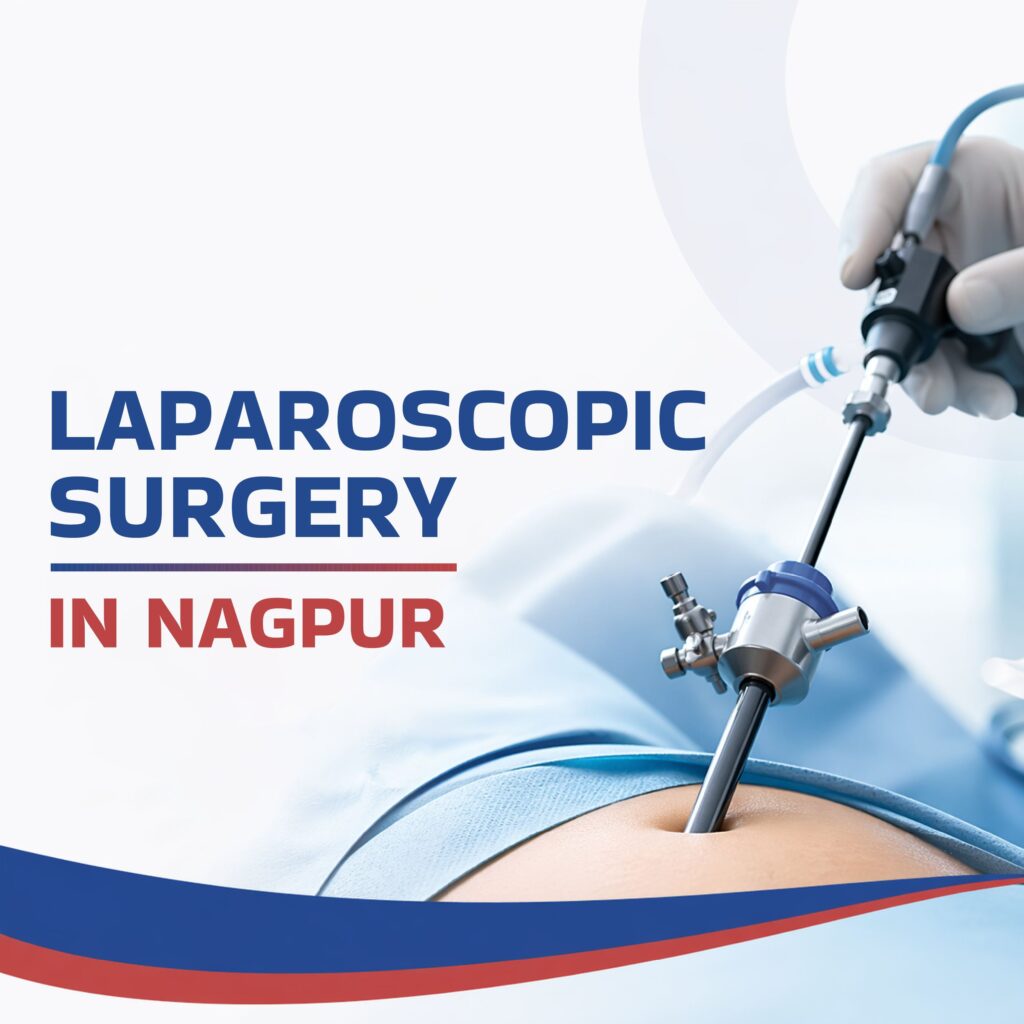
What Is Laparoscopic Surgery?

Conditions Treated With Laparoscopic Surgery at LGI Hospital
- Gallbladder stones requiring laparoscopic cholecystectomy
- Appendicitis requiring laparoscopic appendectomy
- Hernia repair including inguinal, umbilical and incisional hernias
- Colon and rectal conditions requiring laparoscopic colorectal surgery
- Liver conditions requiring laparoscopic hepatic procedures
- Pancreatic conditions requiring laparoscopic pancreatic surgery
- Gastrointestinal cancer surgery using minimally invasive techniques
- Intestinal resection for bowel conditions
- Anti reflux surgery for severe GERD not responding to medication
- Diagnostic laparoscopy for evaluating unexplained abdominal conditions
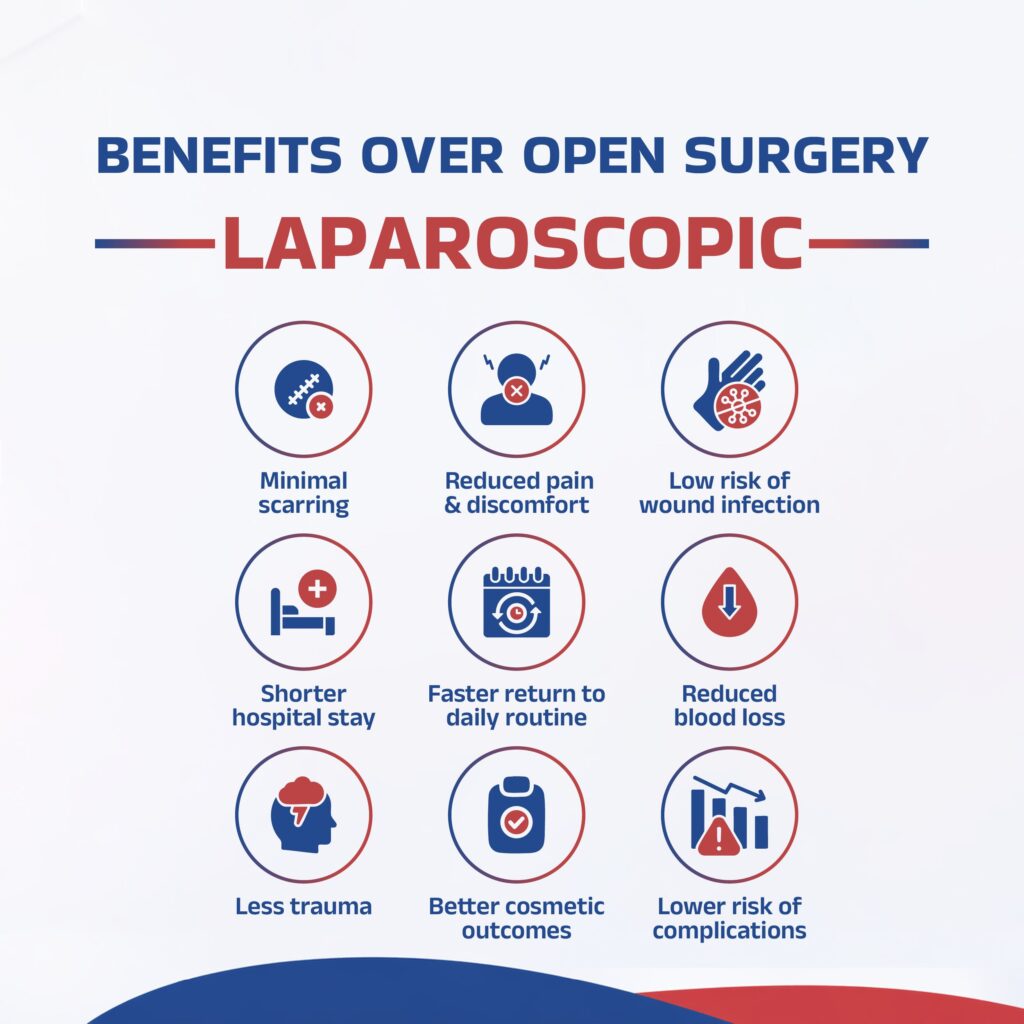
Benefits of Laparoscopic Surgery Over Open Surgery
- Smaller incisions resulting in minimal scarring
- Significantly reduced post operative pain and discomfort
- Lower risk of wound infection due to smaller incision sites
- Shorter hospital stay, often just one to two days
- Faster return to normal activities and daily routine
- Reduced blood loss during the procedure
- Less trauma to surrounding tissues and organs
- Better cosmetic outcomes with minimal visible scarring
- Lower risk of post operative complications in suitable cases
When Is Laparoscopic Surgery Recommended?
- Symptomatic gallstones requiring gallbladder removal
- Acute or recurrent appendicitis
- Hernia requiring surgical repair
- Colorectal conditions requiring bowel resection
- Digestive cancers suitable for minimally invasive resection
- Unexplained abdominal symptoms requiring diagnostic evaluation
- GERD not responding to medical management
- Liver or pancreatic conditions suitable for laparoscopic intervention
What Happens During Laparoscopic Surgery?
- A thorough pre operative assessment including blood tests, imaging and clinical evaluation
- Administration of general anaesthesia to ensure complete patient comfort throughout
- Two to four small incisions are made in the abdomen depending on the procedure
- Carbon dioxide gas is introduced to inflate the abdomen and create space for the surgeon to work
- The laparoscope is inserted through one incision and surgical instruments through the others
- The surgeon performs the required procedure while viewing the operative field on a high definition monitor
- Gas is released, instruments are removed and incisions are closed at the end of the procedure
Recovery After Laparoscopic Surgery
- Mild soreness at the incision sites for a few days following surgery
- Possible temporary shoulder discomfort due to residual carbon dioxide gas, which resolves quickly
- A light diet in the first few days progressing to normal food as tolerated
- Avoiding heavy lifting and strenuous physical activity for the recommended period
- Returning to light activities and daily routine within a few days to a week in most cases
- Attending all scheduled follow up appointments with the surgical team
- Full recovery timelines vary depending on the specific procedure performed
Why Choose LGI Hospital for Laparoscopic Surgery in Nagpur?
- Skilled and Experienced Laparoscopic Surgeons: LGI Hospital in Nagpur has a dedicated team of surgical gastroenterologists with extensive experience in performing a wide range of advanced laparoscopic procedures for digestive and abdominal conditions.
- Comprehensive Range of Laparoscopic Procedures: From gallbladder and appendix surgery to complex colorectal, liver and pancreatic laparoscopic procedures, LGI Hospital offers a comprehensive portfolio of minimally invasive surgical options under one roof.
- Advanced Laparoscopic Surgical Infrastructure: LGI Hospital in Dhantoli, Nagpur is equipped with modern laparoscopic surgical technology including high definition camera systems and advanced instrumentation to support precise and safe minimally invasive surgery.
- Patient Centred Surgical Care: The surgical team at LGI Hospital is committed to providing personalised, compassionate and thorough care at every stage of the surgical journey, from initial consultation through to complete recovery.
FAQ
Q1. Is laparoscopic surgery painful?
Laparoscopic surgery is performed under general anaesthesia and patients do not experience pain during the procedure. Post operative discomfort is generally mild and significantly less than that experienced after open surgery. Most patients find laparoscopic surgery recovery to be comfortable and manageable with appropriate pain relief as advised by the surgical team.
Q2. How long does laparoscopic surgery take?
The duration of laparoscopic surgery depends on the specific procedure being performed and the complexity of the case. Most laparoscopic procedures are completed within one to three hours. The surgical team will provide a realistic estimate based on the individual assessment and the nature of the required intervention.
Q3. What are the benefits of laparoscopic surgery?
The key benefits of laparoscopic surgery include smaller incisions, minimal scarring, reduced post operative pain, shorter hospital stay, faster recovery and return to normal activities, lower risk of wound infection and better cosmetic outcomes compared to traditional open surgery.
Q4. Recovery after laparoscopic surgery in Nagpur — what to expect?
Recovery after laparoscopic surgery is generally faster and more comfortable than open surgery. Most patients are discharged within one to two days and can return to light activities within a week. Full recovery timelines vary depending on the specific procedure performed. The surgical team at LGI Hospital provides personalised recovery guidance for every patient.
Q5. Which hospital is best for laparoscopic surgery in Nagpur?
LGI Hospital in Dhantoli, Nagpur is a dedicated single speciality gastroenterology hospital with experienced surgical gastroenterologists who perform a comprehensive range of advanced laparoscopic procedures. The hospital is equipped with modern laparoscopic surgical infrastructure and provides complete pre and post operative care under one roof.