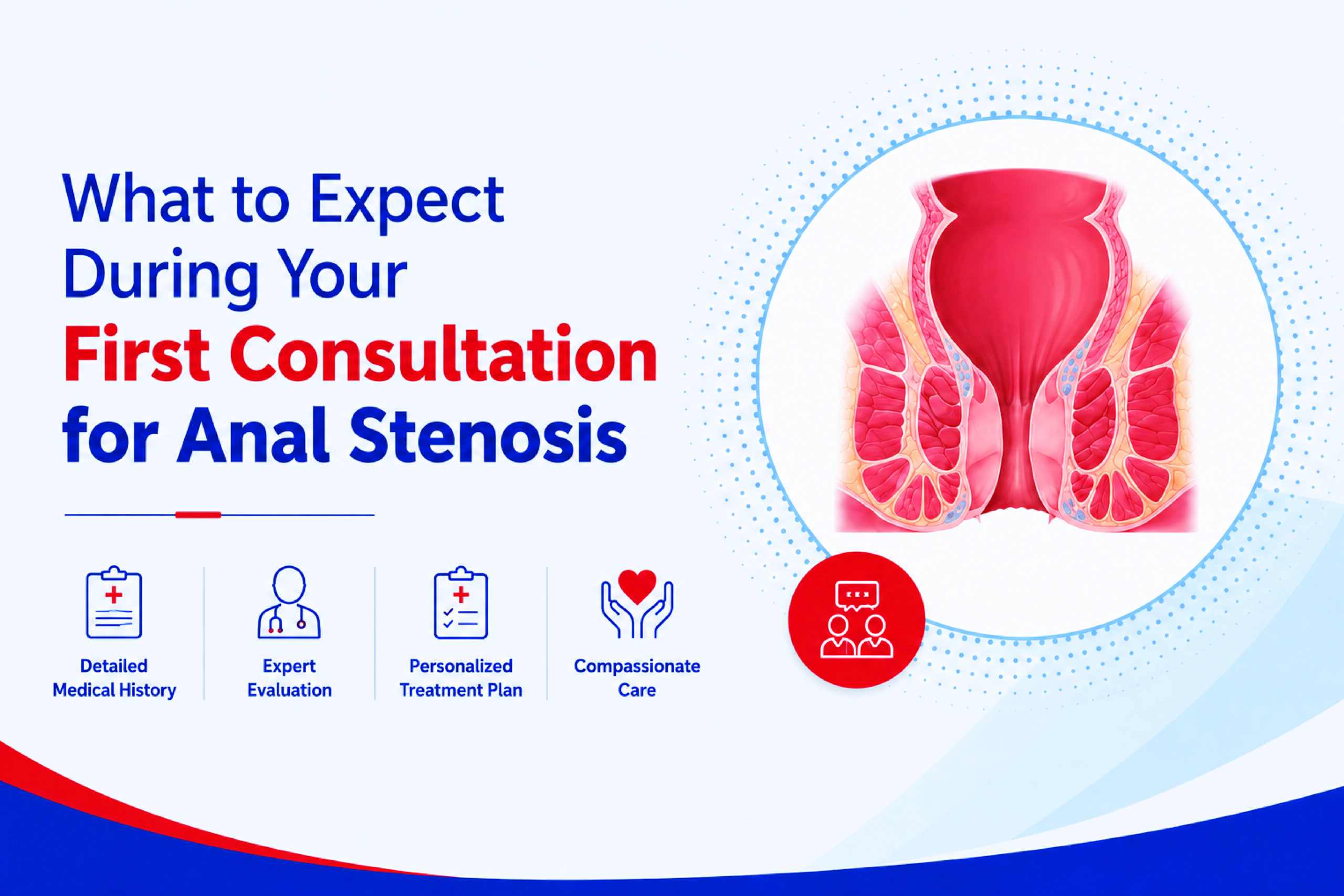
If you’ve been experiencing pain during bowel movements, difficulty passing stool, or persistent constipation, your doctor may recommend an evaluation for anal stenosis. While visiting a specialist for the first time may feel overwhelming, understanding what happens during your consultation can help you feel more comfortable and prepared.
At LGI Hospitals, Dhantoli, Nagpur, our experienced gastroenterologists and colorectal specialists provide compassionate care, accurate diagnoses, and personalized treatment plans for patients with anal stenosis and other digestive disorders.
This guide explains what you can expect during your first consultation and how it helps determine the right treatment for your condition.
What Is Anal Stenosis?
Anal stenosis is a condition in which the anal canal becomes abnormally narrow, making bowel movements painful and difficult. The narrowing is usually caused by scar tissue, previous anorectal surgery, chronic inflammation, or injury to the anal canal.
Without proper treatment, symptoms may worsen over time and affect your quality of life.
When Should You Schedule a Consultation?
You should consider seeing a specialist if you experience:
- Pain during bowel movements
- Difficulty passing stool
- Chronic constipation despite dietary changes
- Thin or pencil-shaped stools
- Bleeding after bowel movements
- Excessive straining
- A feeling that the bowel does not empty completely
Ignoring these symptoms can delay diagnosis and lead to more severe complications.
Before Your Appointment
Preparing for your consultation can help your doctor understand your condition better.
Before visiting LGI Hospitals, try to note:
- When your symptoms first started
- How often they occur
- The severity of pain
- Any bleeding during bowel movements
- Previous hemorrhoid or anal surgeries
- Current medications
- Medical conditions such as Crohn’s disease or inflammatory bowel disease
- Dietary habits and bowel movement patterns
If you have previous medical reports, imaging studies, or colonoscopy results, carry them with you.
Step 1: Detailed Medical History
Your consultation will begin with a discussion about your symptoms.
Your doctor may ask questions such as:
- When did your symptoms begin?
- Is the pain sharp, burning, or cramping?
- Do you experience constipation regularly?
- Have you undergone hemorrhoid surgery?
- Have you noticed blood in your stool?
- Do you have any digestive disorders?
- Have you tried any treatments already?
Providing honest and detailed answers helps your specialist identify possible causes more accurately.
Step 2: Physical Examination
After reviewing your medical history, the doctor will perform a physical examination.
This may include:
Inspection of the Anal Area
The specialist will examine the external anal region for signs of:
- Swelling
- Skin tags
- Hemorrhoids
- Fissures
- Scar tissue
- Infection
Digital Rectal Examination
A gentle digital rectal examination may be performed using a gloved, lubricated finger to assess:
- The tightness of the anal canal
- Tenderness
- Presence of scar tissue
- Muscle tone
Although some patients worry about discomfort, the examination is generally brief and performed carefully to minimize pain.
Step 3: Additional Diagnostic Tests
Depending on your symptoms, your doctor may recommend further investigations.
These may include:
Anoscopy
A small instrument called an anoscope allows the doctor to examine the anal canal and lower rectum more closely.
Proctoscopy
This test helps evaluate the rectum for narrowing, inflammation, or other abnormalities.
Colonoscopy
If symptoms suggest another gastrointestinal condition, such as inflammatory bowel disease or colorectal polyps, a colonoscopy may be recommended.
These tests help confirm the diagnosis and rule out other conditions with similar symptoms.
Understanding the Severity of Anal Stenosis
Your doctor will determine whether your anal stenosis is:
- Mild
- Moderate
- Severe
The treatment approach depends largely on the extent of narrowing and how much it affects bowel function.
Discussing Your Treatment Options
Once the diagnosis is confirmed, your specialist will explain the available treatment options.
Conservative Treatment
Many patients with mild anal stenosis improve through non-surgical management, including:
- High-fiber diet
- Increased water intake
- Stool softeners
- Fiber supplements
- Warm sitz baths
- Gentle anal dilatation under medical supervision
Lifestyle modifications often play an important role in symptom relief.
Surgical Treatment
If the narrowing is significant or symptoms are severe, surgery may be recommended.
The goal of surgery is to widen the anal canal, remove scar tissue if necessary, and restore comfortable bowel movements.
Your doctor will explain the benefits, risks, expected recovery time, and answer all your questions before planning any procedure.
Questions You Should Ask During Your Consultation
To better understand your condition, consider asking:
- What is causing my symptoms?
- Is my anal stenosis mild or severe?
- Will I need surgery?
- What lifestyle changes can help?
- How long will treatment take?
- Are there any complications if I delay treatment?
- How can I prevent recurrence?
Being informed helps you make confident decisions about your health.
How to Prepare Mentally for Your Visit
Many people feel embarrassed discussing bowel-related problems. However, anal stenosis is a medical condition that specialists diagnose and treat regularly.
Remember:
- Your doctor has extensive experience treating anorectal conditions.
- Everything discussed during your consultation remains confidential.
- Early diagnosis often leads to easier treatment and faster recovery.
Seeking medical help is the first step toward improving your quality of life.
Why Choose LGI Hospitals in Dhantoli, Nagpur?
If you’re looking for expert care for anal stenosis, LGI Hospitals in Dhantoli, Nagpur, offers comprehensive diagnosis and advanced treatment under one roof.
At LGI Hospitals, patients benefit from:
- Experienced gastroenterologists and colorectal specialists
- Advanced diagnostic facilities
- Personalized treatment plans
- Modern surgical techniques, when required
- Patient-focused care and follow-up support
- Comprehensive management of digestive and colorectal disorders
Our team is committed to helping patients regain comfort, confidence, and a healthier quality of life.
Your first consultation for anal stenosis is an important step toward identifying the cause of painful bowel movements and finding the right treatment. From discussing your symptoms and performing a physical examination to recommending appropriate investigations and treatment, the consultation is designed to provide a complete understanding of your condition.
If you are experiencing persistent pain, constipation, or difficulty passing stool, don’t ignore the symptoms. Early diagnosis can prevent complications and improve treatment outcomes.
Schedule your consultation with the specialists at LGI Hospitals, Dhantoli, Nagpur, for expert evaluation and compassionate care tailored to your needs.
Frequently Asked Questions (FAQs)
1. Will my first consultation for anal stenosis be painful?
Most examinations are quick and performed gently. While mild discomfort may occur, your doctor will ensure you are as comfortable as possible throughout the evaluation.
2. Do I need any special preparation before my appointment?
Usually, no special preparation is required. However, bringing previous medical records, surgery details, and a list of current medications can be helpful.
3. How long does the consultation usually take?
A first consultation generally lasts between 20 and 40 minutes, depending on your symptoms and whether additional tests are needed.
4. Will I need surgery immediately?
Not necessarily. Many patients with mild anal stenosis respond well to non-surgical treatments such as dietary modifications, stool softeners, and supervised anal dilatation.
5. Why should I choose LGI Hospitals in Dhantoli, Nagpur?
LGI Hospitals offers expert gastroenterologists, advanced diagnostic technology, personalized treatment plans, and comprehensive care for anal stenosis and other digestive disorders, ensuring patients receive accurate diagnosis and effective treatment close to home.
Disclaimer:
This article is for informational purposes only and should not be considered a substitute for professional medical advice, diagnosis, or treatment. If you experience persistent pain during bowel movements, rectal bleeding, or other concerning symptoms, consult a qualified gastroenterologist or colorectal specialist for an accurate diagnosis and appropriate treatment. Always seek medical advice for your specific health condition.