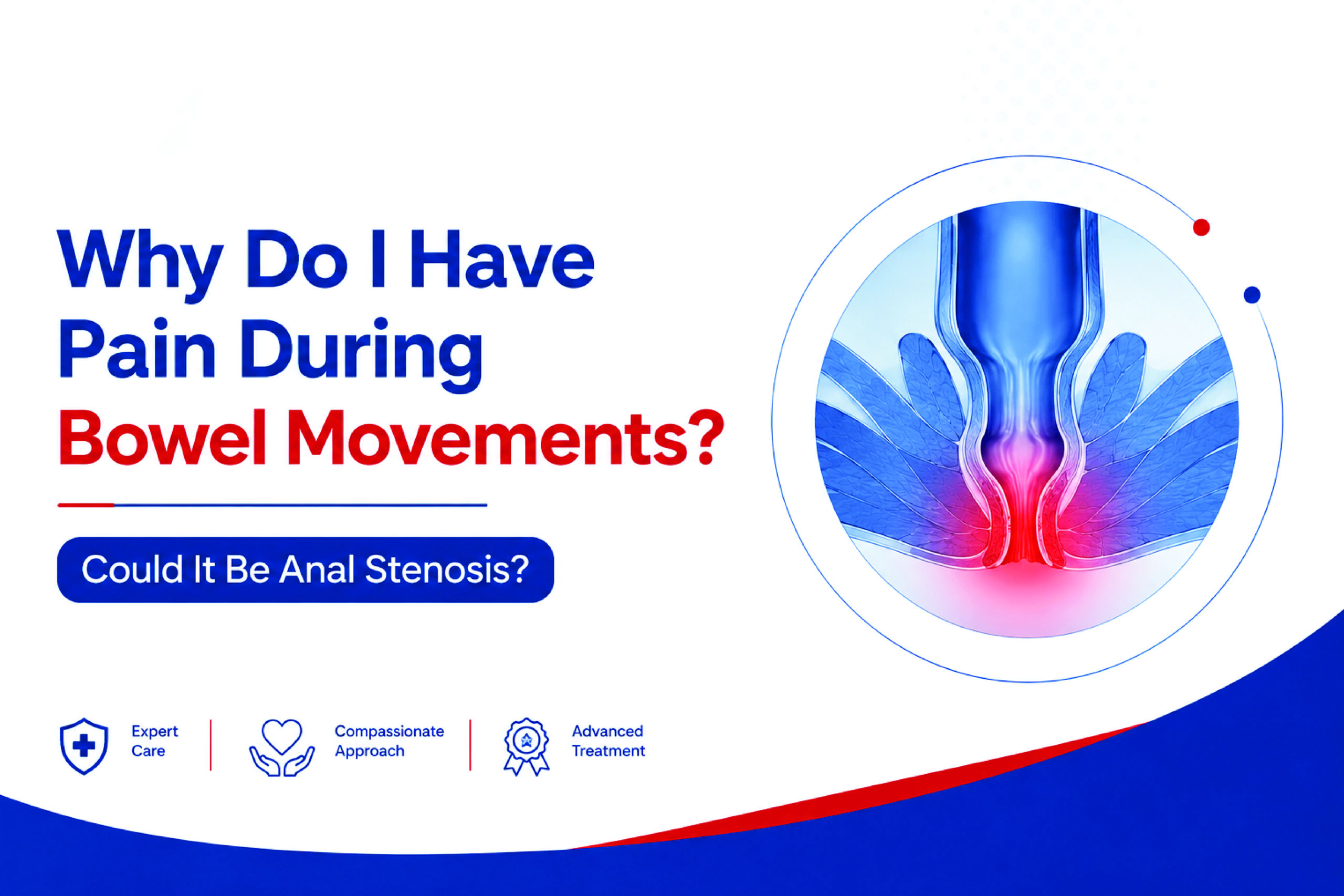
Pain during bowel movements is a common yet often overlooked symptom that can significantly affect your daily life. While occasional discomfort may result from constipation or hemorrhoids, persistent pain should never be ignored. One lesser-known but important condition that can cause painful bowel movements is anal stenosis.
At LGI Hospitals, our gastroenterologists and colorectal specialists help patients identify the underlying cause of anorectal pain and provide advanced treatment options for long-term relief.
What Is Anal Stenosis?
Anal stenosis is a condition in which the anal canal becomes abnormally narrow. This narrowing makes it difficult and painful for stool to pass through. The condition often develops due to scar tissue formation after anorectal surgery, chronic inflammation, or injury to the anal canal.
Although it is less common than hemorrhoids or anal fissures, anal stenosis can have a significant impact on bowel function and quality of life if left untreated.
Why Does It Hurt During a Bowel Movement?
During a normal bowel movement, the anal canal stretches to allow stool to pass comfortably. In anal stenosis, the narrowed opening cannot expand properly, causing excessive pressure and pain.
Patients often describe the pain as:
- Sharp or burning pain while passing stool
- A feeling that the stool is “stuck”
- Severe straining during bowel movements
- Pain that may continue even after the bowel movement is complete
If these symptoms occur repeatedly, it is important to seek medical evaluation.
Common Symptoms of Anal Stenosis
Anal stenosis usually develops gradually. Common symptoms include:
- Pain during bowel movements
- Difficulty passing stool
- Narrow or thin stools
- Chronic constipation
- Excessive straining
- Bleeding after passing stool
- Feeling of incomplete evacuation
- Fear of using the toilet because of pain
These symptoms can worsen over time if the narrowing becomes more severe.
What Causes Anal Stenosis
Previous Hemorrhoid Surgery
Over-removal of tissue during hemorrhoid surgery is one of the most common causes of anal stenosis.
Chronic Anal Inflammation
Long-term inflammation caused by conditions such as inflammatory bowel disease (IBD) can result in scar tissue formation.
Repeated Anal Injuries
Trauma to the anal canal, infections, or repeated procedures may contribute to narrowing.
Radiation Therapy
Patients who have undergone pelvic radiation may develop scar tissue that affects the anal canal.
Could It Be Something Else?
Pain during bowel movements is not always caused by anal stenosis. Other possible conditions include:
- Hemorrhoids
- Anal fissures
- Perianal abscess
- Fistula-in-ano
- Chronic constipation
- Inflammatory bowel disease
- Rectal polyps or tumors
Because many of these conditions have similar symptoms, an accurate diagnosis is essential.
How Is Anal Stenosis Diagnosed?
At LGI Hospitals, diagnosis begins with a detailed medical history and physical examination.
Your doctor may recommend:
- Digital rectal examination
- Anoscopy
- Proctoscopy
- Colonoscopy (if other intestinal conditions are suspected)
These investigations help determine the severity of narrowing and rule out other causes of anorectal pain.
Treatment Options for Anal Stenosis
Treatment depends on how severe the narrowing is.
Conservative Treatment
Mild cases may improve with:
- High-fiber diet
- Increased water intake
- Stool softeners
- Fiber supplements
- Warm sitz baths
- Gentle anal dilatation under medical supervision
Surgical Treatment
Moderate to severe anal stenosis may require surgery. Procedures aim to widen the anal canal by releasing scar tissue and restoring normal function.
The appropriate treatment is decided after a thorough evaluation by a colorectal specialist.
Can Anal Stenosis Be Prevented?
Although not every case can be prevented, you can lower your risk by:
- Treating constipation early
- Eating a fiber-rich diet
- Staying well hydrated
- Avoiding excessive straining
- Following post-surgical care instructions carefully
- Seeking treatment for persistent anorectal symptoms without delay
When Should You See a Doctor?
You should consult a specialist if you experience:
- Painful bowel movements lasting more than a few days
- Persistent constipation
- Bleeding from the rectum
- Difficulty passing stool
- Thin stools
- Severe pain that affects your daily activities
Early diagnosis often allows simpler and more effective treatment.
Why Choose LGI Hospitals?
At LGI Hospitals, our experienced gastroenterologists and colorectal specialists provide comprehensive evaluation and personalized treatment for disorders affecting the digestive system, including anal stenosis. Using advanced diagnostic techniques and evidence-based treatment plans, we focus on relieving symptoms, restoring bowel function, and improving your quality of life.
Whether your symptoms are mild or severe, timely consultation can help prevent complications and ensure faster recovery.
Pain during bowel movements should never be considered normal. While hemorrhoids and constipation are common causes, persistent pain could indicate anal stenosis, a condition that requires medical attention. Early diagnosis and appropriate treatment can provide lasting relief and prevent further complications.
If you are experiencing recurring pain during bowel movements, don’t delay seeking expert care. The specialists at LGI Hospitals are here to help you find the cause and guide you toward effective treatment.
Frequently Asked Questions (FAQs)
1. Is pain during bowel movements always caused by anal stenosis?
No. Pain can also result from hemorrhoids, anal fissures, constipation, infections, or inflammatory bowel diseases. A medical evaluation is necessary to identify the exact cause.
2. Can anal stenosis heal without surgery?
Mild cases may improve with dietary changes, stool softeners, and supervised anal dilatation. Severe cases often require surgical treatment.
3. What foods should I eat if I have anal stenosis?
A diet rich in fiber, including fruits, vegetables, whole grains, and adequate fluids, helps soften stools and reduces strain during bowel movements.
4. Is anal stenosis a medical emergency?
Usually no, but persistent pain, inability to pass stool, significant bleeding, or worsening symptoms should be evaluated promptly.
5. Which doctor should I consult for anal stenosis?
A gastroenterologist or colorectal surgeon is the most appropriate specialist for diagnosing and treating anal stenosis.
Disclaimer:
This article is for informational purposes only and should not be considered a substitute for professional medical advice, diagnosis, or treatment. If you experience persistent pain during bowel movements, rectal bleeding, or other concerning symptoms, consult a qualified gastroenterologist or colorectal specialist for an accurate diagnosis and appropriate treatment. Always seek medical advice for your specific health condition.