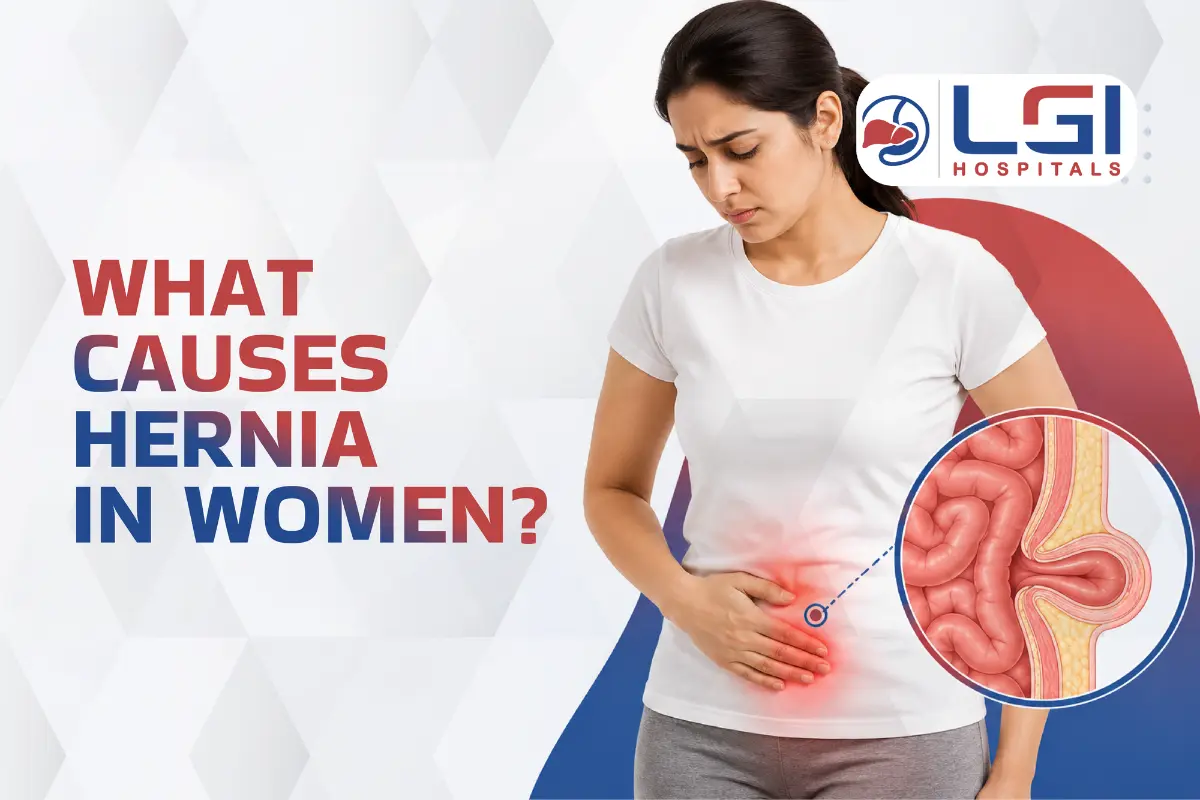
Many women experience heaviness, swelling, discomfort, or pulling sensations in the lower abdomen but often ignore these symptoms assuming they are caused by gas, weight gain, muscle strain, or general weakness. However, in some cases, these early signs may indicate a hernia.
Hernias are commonly associated with men, but women can also develop this condition. In many cases, pregnancy, chronic abdominal pressure, weak muscles, constipation, or repeated strain on the abdomen can increase the risk of hernia in women.
What Is a Hernia?
A hernia occurs when an internal organ or tissue pushes through a weak area in the muscle or surrounding tissue wall.
This condition commonly develops in the abdominal or groin area. In the beginning, symptoms may feel mild, but over time the discomfort can become more noticeable.
What Causes Hernia in Women?
In women, hernias often develop gradually due to repeated pressure on the abdominal muscles rather than from a single event.
1. Pregnancy and Increased Abdominal Pressure
During pregnancy, the abdominal wall stretches continuously to support the growing baby. This pressure can weaken the muscles over time.
Women who have had multiple pregnancies or abdominal muscle weakness may have a higher risk of developing hernia symptoms later.
2. Chronic Constipation
This is one of the most overlooked causes.
Frequent straining during bowel movements increases pressure inside the abdomen. Over time, this repeated pressure can weaken the abdominal wall.
This is why long-term digestive issues and gut health should not be ignored.
3. Heavy Lifting and Physical Strain
Repeatedly lifting heavy objects or intense physical activity can put stress on abdominal muscles. In some women, strenuous workouts or sudden strain may contribute to hernia development.
4. Persistent Coughing
Chronic coughing creates repeated pressure inside the abdomen. Over time, this may weaken the muscles and increase the possibility of hernia formation.
5. Obesity and Weak Core Muscles
Excess body weight places constant pressure on the abdominal wall. If the muscles are already weak, the risk of hernia may increase further.
Early Signs of Hernia in Women
Many women do not recognize hernia symptoms in the early stages because they can feel similar to common digestive or muscular discomfort.
Common Symptoms Include:
- Swelling or bulge in the abdomen or groin
- Heaviness while standing
- Pain while bending
- Pulling sensation in the lower abdomen
- Burning discomfort
- Pain during coughing or lifting
- Ongoing abdominal pressure
In many cases, symptoms may worsen gradually over time.
Can Digestive Problems Increase Hernia Risk?
Yes. Chronic constipation, bloating, and increased abdominal pressure can weaken the abdominal wall over time.
When gut health and digestion remain poor for long periods:
- bowel pressure may increase
- abdominal strain may become frequent
- pressure inside the stomach area can rise continuously
This is one reason why digestive health and abdominal health are closely connected.
Why Hernia in Women Is Often Diagnosed Late
In women, hernia symptoms are sometimes mistaken for:
- bloating
- acidity
- muscle pain
- pelvic discomfort
- menstrual discomfort
Because of this overlap, many women delay seeking medical attention until the discomfort becomes more severe.
When Should You Consult a Doctor?
You should not ignore symptoms such as:
- persistent swelling
- abdominal heaviness
- groin pain
- pain during lifting
- ongoing constipation with pressure
- visible bulge in the abdomen
- discomfort that keeps increasing
Early evaluation can help identify the underlying cause before complications develop.
If you are experiencing ongoing abdominal discomfort, swelling, digestive issues, constipation, or pressure in the lower abdomen, it is important not to ignore these symptoms for long.
At LGI Hospitals, experienced specialists provide advanced evaluation and treatment for hernia and digestive health-related conditions. Early diagnosis can help reduce the risk of complications and support better recovery outcomes.
Conclusion
Hernia in women is not always caused by heavy lifting alone. In many cases, pregnancy, chronic constipation, abdominal pressure, weak muscles, and long-term digestive strain may also contribute to the condition.
Understanding the body’s early warning signs and not ignoring persistent discomfort can help support better abdominal and digestive health in the long run.
Disclaimer
This article is intended for general informational purposes only and should not be considered medical advice. If you experience persistent pain, swelling, digestive discomfort, or any concerning symptoms, consult a qualified healthcare professional for proper diagnosis and treatment.