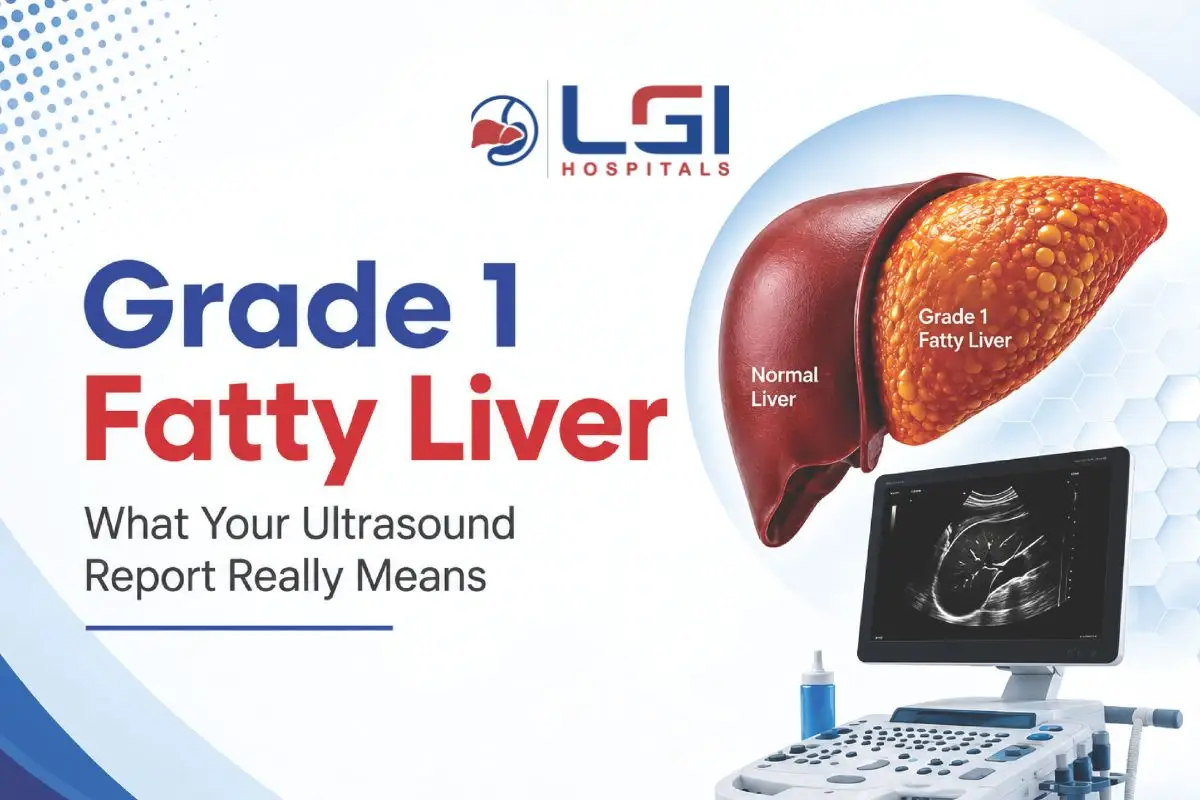
If your ultrasound report mentions “Grade 1 fatty liver” or “grade 1 fatty infiltration of the liver,” it’s natural to feel a little alarmed, especially if you weren’t expecting it. Take a breath: grade 1 fatty liver is the mildest and earliest stage of fatty liver disease, and for most people, it is manageable and often reversible with the right lifestyle changes.
This guide walks through your diagnosis step by step, what it means, what typically happens next, what causes it, and how recovery usually unfolds so you leave with a clear plan rather than more questions.
What Is Grade 1 Fatty Liver?
Grade 1 fatty liver means a mild amount of fat has built up in your liver cells, detected on an ultrasound. It’s the earliest stage of fatty liver disease, also called hepatic steatosis, and by itself usually causes no lasting liver damage if addressed early.
This condition falls under the broader umbrella of non-alcoholic fatty liver disease (NAFLD), recently renamed MASLD (metabolic dysfunction-associated steatotic liver disease) in updated medical terminology, reflecting its close links to metabolic health rather than alcohol use.
Understanding Your Ultrasound Report
Reading an ultrasound report can feel like trying to understand another language. Here’s how to read the part that matters most.
Radiologists grade fatty liver based on how much the liver’s brightness (echogenicity) increases on ultrasound imaging, which reflects how much fat has accumulated in the tissue.
| Grade | What It Means | Typical Report Wording |
| Grade 1 (Mild) | Slight increase in liver brightness; early fat accumulation | “Mild fatty infiltration” / “Grade 1 hepatic steatosis” |
| Grade 2 (Moderate) | Noticeable brightness; fat affecting deeper liver structures | “Moderate fatty infiltration” |
| Grade 3 (Severe) | Significant brightness; visible impact on liver borders and blood vessels | “Severe fatty infiltration” |
A grade 1 finding does not automatically mean fibrosis (scarring) or cirrhosis (advanced, irreversible scarring) if present those are separate, more advanced conditions typically confirmed through additional testing, not implied by the word “grade 1” alone.
| Did You Know? Fatty liver is one of the most common incidental findings on abdominal ultrasound today, often picked up during scans done for entirely unrelated reasons, such as a routine health checkup or evaluation of abdominal pain. |
Healthy Liver vs. Grade 1 Fatty Liver
| Feature | Healthy Liver | Grade 1 Fatty Liver |
| Fat content | Less than 5% of liver weight | Mild excess fat, typically 5–33% |
| Ultrasound appearance | Normal echogenicity | Slightly increased brightness |
| Liver enzymes (ALT/AST) | Usually normal | Often normal, sometimes mildly raised |
| Symptoms | None | Usually none; occasional mild fatigue |
| Reversibility | Not applicable | Generally reversible with lifestyle changes |
What Causes Grade 1 Fatty Liver?
| Quick Answer Grade 1 fatty liver is usually caused by a combination of excess body weight, insulin resistance, high triglycerides, a diet high in sugar and refined carbohydrates, and low physical activity. It reflects an underlying metabolic pattern rather than a single cause. |
Grade 1 fatty liver usually develops gradually, often linked to metabolic and lifestyle factors rather than a single cause:
Being overweight or having a high BMI (body mass index)
Insulin resistance or type 2 diabetes
High triglycerides or cholesterol
A diet high in sugar, refined carbohydrates, or fried foods
Sedentary lifestyle with limited physical activity
Rapid weight gain or, in some cases, rapid weight loss
Certain medications or, in a smaller number of cases, alcohol use
Who Is Most at Risk?
Grade 1 fatty liver is more common in people who have:
Obesity or a consistently high BMI
Type 2 diabetes or prediabetes
High blood pressure, high cholesterol, or metabolic syndrome
A sedentary daily routine
A family history of fatty liver or metabolic conditions
Doctors are increasingly diagnosing grade 1 fatty liver in younger adults and people who are not significantly overweight, often during routine health checkups.
Symptoms of Grade 1 Fatty Liver
Grade 1 fatty liver rarely causes noticeable symptoms, so doctors often discover it during an ultrasound performed for another medical reason.
When symptoms do occur, they tend to be mild and non-specific:
Mild fatigue
A dull ache or heaviness in the upper right abdomen
Occasional bloating
Because these signs are so subtle, blood tests and imaging remain the most reliable way to detect and track the condition.
What Usually Happens After This Diagnosis
Many patients aren’t sure what to expect once “grade 1 fatty liver” appears on a report. Here’s the typical sequence of events:
1. Your doctor reviews the full picture: The ultrasound grade is considered alongside your weight, blood sugar, cholesterol, and liver enzyme levels, not in isolation.
2. Baseline blood work is usually ordered: This typically includes a liver function test (LFT), fasting blood sugar or HbA1c, and a lipid profile, if not already done.
3. A lifestyle plan is discussed: Most first consultations focus on diet, weight, and activity changes rather than medication.
4. A follow-up timeline is set: Your doctor will usually recommend repeating blood tests and, sometimes, imaging after a few months to track progress.
| Doctor’s Tip Bring your full ultrasound report not just a summary to your first consultation, along with any recent blood test results. This helps your doctor assess the complete metabolic picture in a single visit rather than ordering repeat tests unnecessarily. |
What Doctors Typically Recommend at the First Consultation
A first consultation for grade 1 fatty liver usually focuses on understanding contributing factors rather than immediate treatment.
Expect your doctor to:
- Review your weight, waist circumference, and BMI
- Ask about diet, alcohol intake, physical activity, and family history
- Check for signs of diabetes, high blood pressure, or high cholesterol
- Discuss realistic, gradual weight and lifestyle goals
- Order or review liver function tests and metabolic blood work
Gastroenterologists at LGI Hospitals typically evaluate these results together rather than relying on the ultrasound grade alone, since liver enzyme levels and metabolic markers help determine the right next steps.
How Doctors Diagnose and Monitor It
Diagnosis and follow-up typically combine imaging with blood work to understand the full picture:
- Liver ultrasound: The primary tool for grading fat accumulation in the liver.
- Liver function test (LFT): Measures liver enzymes like ALT and AST, which can be mildly elevated when the liver is under strain.
- Blood sugar and lipid profile: Checks for diabetes, insulin resistance, and high triglycerides, which commonly accompany fatty liver.
- FibroScan or fibrosis assessment: In select cases, doctors may order this specialized, non-invasive test to check for early liver scarring and rule out more advanced disease.
Can you reverse Grade 1 Fatty Liver?
| Quick Answer Yes. Grade 1 fatty liver is generally considered reversible with sustained lifestyle changes primarily weight management, dietary improvement, and regular physical activity typically showing measurable improvement over three to six months. |
Because grade 1 is the earliest stage, the liver has usually not sustained lasting structural damage yet. This makes it the best possible time to intervene, before progression toward grade 2, grade 3, or in rarer, prolonged cases, fibrosis.
| Myth vs Fact Myth: Grade 1 fatty liver always leads to cirrhosis. Fact: Most people with grade 1 fatty liver never progress to cirrhosis, especially when lifestyle changes are made early. Progression is more likely when the underlying cause like obesity or diabetes remains unmanaged for years. |
Grade 1 vs. Grade 2 vs. Grade 3: How They Compare
| Factor | Grade 1 | Grade 2 | Grade 3 |
| Fat accumulation | Mild | Moderate | Severe |
| Symptoms | Usually none | Occasional fatigue, discomfort | More noticeable symptoms possible |
| Reversibility | Highly reversible | Reversible with more effort | Requires closer medical management |
| Risk of progression | Low, if managed early | Moderate | Higher risk of fibrosis |
Treatment: Lifestyle Changes vs. Medicines
| Approach | Role in Grade 1 Fatty Liver |
| Lifestyle changes (diet, weight loss, exercise) | The primary, first-line treatment for nearly all patients with grade 1 fatty liver |
| Medicines | Not usually required specifically for the liver; may be prescribed for related conditions like diabetes or high cholesterol |
| Supplements | Not routinely recommended without medical guidance; evidence varies and some can strain the liver if misused |
Doctors do not currently have a single medicine specifically approved to cure fatty liver. Instead, treatment focuses on addressing the underlying causes through gradual, sustained weight loss, managing blood sugar and cholesterol, regular physical activity, and limiting or avoiding alcohol.
Diet for Grade 1 Fatty Liver
Foods to Eat
Vegetables, fruits, and whole grains
Lean proteins such as fish, legumes, and skinless poultry
Healthy fats like olive oil, nuts, and seeds
Foods rich in fiber, which support healthy metabolism
Plenty of water throughout the day
Foods to Avoid
Sugary drinks and foods high in added sugar
Refined carbohydrates like white bread and pastries
Fried and heavily processed foods
Excess red meat and full-fat dairy
Alcohol, which places additional strain on the liver
Common Everyday Diet Questions
Can I eat rice?
Yes, in moderate portions brown rice or smaller portions of white rice are generally fine as part of a balanced diet. Very large portions of refined white rice regularly can contribute to excess calorie and carbohydrate intake.
Can I eat eggs?
Yes, eggs in moderation are generally acceptable and provide good quality protein. Portion and preparation method (boiled or poached versus fried in excess oil) matter more than the egg itself.
Can I drink coffee?
Doctors generally consider moderate coffee consumption safe, and some research suggests it may support liver health. However, coffee should complement, not replace, healthy lifestyle changes.
Can I exercise?
Yes. Doctors strongly encourage regular exercise because it is one of the most effective ways to improve grade 1 fatty liver, provided you do not have another medical condition that limits physical activity.
Exercise Recommendations
Regular physical activity is one of the most effective tools for reversing grade 1 fatty liver, largely because it improves insulin sensitivity and helps reduce liver fat directly.
Aim for at least 150 minutes of moderate exercise per week, such as brisk walking, cycling, or swimming
Include some strength training two to three times a week, which supports metabolic health
Consistency matters more than intensity gradual, sustainable habits outperform short bursts of extreme exercise
Expected Recovery Timeline
Recovery from grade 1 fatty liver takes time, and your progress depends on how consistently you follow healthy lifestyle changes.
| Timeframe | What to Typically Expect |
| 4–6 weeks | Early improvements in energy and blood sugar control may begin, though liver fat itself takes longer to change measurably |
| 3–6 months | Meaningful reduction in liver fat is often seen on repeat imaging, especially with 5–10% body weight loss |
| 6–12 months | Many patients show normal or near-normal liver imaging and blood work if lifestyle changes are sustained |
Progress isn’t always linear, and it’s normal for improvement to plateau at times. What matters most is consistency over months, not perfection week to week.
Common Mistakes Patients Make
- Expecting the liver to “reset” within days or weeks instead of months
- Focusing only on diet while ignoring physical activity, or vice versa
- Trying extreme or crash diets, which can sometimes worsen liver stress
- Skipping follow-up blood tests once symptoms feel “fine”
- Self-prescribing supplements marketed as “liver detox” without medical guidance
When Should You Repeat Your Tests?
Most doctors recommend repeating liver function tests and metabolic blood work every three to six months during active lifestyle changes, with a follow-up ultrasound typically considered around six to twelve months later to assess whether liver fat has reduced.
When to See a Doctor
| Warning Signs Persistent fatigue, unexplained weight loss, jaundice (yellowing of skin or eyes), swelling in the abdomen or legs, or persistent abdominal pain warrant prompt medical evaluation, as these can indicate disease progression beyond grade 1. |
Even without alarming symptoms, anyone diagnosed with grade 1 fatty liver should follow up with a gastroenterologist or hepatologist, particularly if they also have diabetes, obesity, or abnormal liver enzymes. The specialists at LGI Hospitals recommend a structured follow-up plan, including periodic liver function tests and imaging, to confirm the condition is improving rather than progressing.
If you’ve been diagnosed with grade 1 fatty liver, the specialists at LGI Hospitals evaluate your test results and create a personalized treatment plan based on your condition.
FAQs
Losing 5–10% of body weight gradually, eating a fiber-rich diet low in added sugar and refined carbs, exercising at least 150 minutes weekly, limiting alcohol, and managing conditions like diabetes or high cholesterol if present. Most people see measurable improvement in liver fat within three to six months of consistent effort. Regular follow-up blood tests and imaging with a gastroenterologist help confirm the improvement is on track.
Doctors generally describe grade 1 fatty liver as reversible rather than “curable” because it results from a lifestyle-related buildup of fat rather than a fixed disease.With consistent weight management, dietary changes, and regular exercise, liver fat levels typically improve significantly, and many patients return to normal or near-normal liver imaging over several months to a year.
Foods to limit or avoid include sugary drinks and desserts, refined carbohydrates like white bread and pastries, fried and heavily processed foods, excess red meat, full-fat dairy in large amounts, and alcohol. These foods can worsen insulin resistance and increase fat storage in the liver. Instead, focus on vegetables, whole grains, lean proteins, and healthy fats, which support gradual liver fat reduction.
Medicine is not usually required specifically for grade 1 fatty liver, since there’s no approved drug that directly reverses it. Treatment instead focuses on lifestyle changes. However, if you have related conditions like diabetes, high cholesterol, or high blood pressure, your doctor may prescribe medication for those conditions, which indirectly supports liver health as part of an overall management plan.
Grade 1 fatty liver is the earliest and mildest stage of fatty liver disease. It is usually not serious if managed early with healthy lifestyle changes. Most people can improve or reverse the condition through diet, regular exercise, and weight management. However, ignoring it may increase the risk of progression over time.
Water is the best choice for maintaining overall liver health. Some studies suggest that drinking unsweetened coffee in moderation may support better liver health. Avoid sugary drinks and alcohol, as they can contribute to fat accumulation in the liver.
Grade 1 fatty liver is often reversible because it is the earliest stage of the condition. Many people see significant improvement through consistent lifestyle changes such as weight loss, a balanced diet, and regular exercise. Recovery depends on your overall health and how effectively you manage the underlying causes.
Conclusion
A grade 1 fatty liver diagnosis can feel worrying at first, but it’s important to remember that this is the earliest and most manageable stage of fatty liver disease. With consistent attention to diet, weight, and physical activity, most people see meaningful improvement within several months to a year. What matters most now is not the diagnosis itself, but the steps you take next and staying connected with a gastroenterologist for follow-up testing. The team at LGI Hospitals works with patients at every stage of fatty liver disease, helping turn an early warning sign into an opportunity for lasting liver health.
Medical Disclaimer: This article is intended for educational purposes only and is not a substitute for professional medical advice, diagnosis, or treatment. Liver conditions vary from person to person. Readers should consult a qualified gastroenterologist or hepatologist for evaluation and personalized care based on their specific test results.