
SERVICES OFFERED
ENDOSCOPY
- Diagnostic & Therapeutic Upper GI Endoscopy
- Diagnostic & Therapeutic Colonoscopy
- Capsule Endoscopy
- ERCP & Cholangio-pancreatoscopy
- Endoscopic Ultrasound [EUS]
GI MOTILITY LAB
- 24 Hrs Esophageal pH-Impedance study
- Esophageal & Anorectal Manometry
BREATH TESTS
- Hydrogen Breath Test for small intestinal bacterial overgrowth
- Urea Breath Test for H. pylori infection
SURGERY
- Esophageal & Gastric Surgery
- Hepatectomy & Liver Surgery
- Pancreato – Billiary Surgery
- Colorectal Surgery
- Hernia Surgery – Laparoscopic & Open
- Minimally Invasive & Laparoscopia Surgery
- Gl Oncology Surgery
- Surgery for Piles, Fistula & Fissure
RADIOLOGY
- Digital X-Ray
- Ultrasound with Colour Doppler
- Liver Elastography [Fibroscan] for liver fibrosis and steatosis.
PATHOLOGY
CRITICAL CARE TAIL
- State of Art Intensive Care Unit & Expert Team for management of GI and hepato-pancreato-biliary diseases
ADVANCED SERVICES OFFERED
ERCP & CHOLANGIO-PANCREATOSCOPY
- Complex Pancreato-biliary Procedures
[Multiple biliary stent placement for hilar strictures;
mechanical lithotripsy for CBO stones] - Laser Lithotripsy Treatment for CBD / pancreatic stones
- CBD Stricture evaluation
- Ampullectomy
THIRD SPACE ENDOSCOPY
- Endoscopic Mucosal Resection [EMR] & Endoscopic Submucosal Dissection [ESD] for early gastrointestinal cancers
- Peroral Endoscopic Myotomy [POEM] for Zenker’s Diverticulum,
Achalasia Cardia, Gastroparesis, Hirschsprung’s disease - Submucuosal Tunneling & Endoscopic Resection [STER]
& Endoscopic Full-Thickness Resecton (EFTR] for subepithlial tumors
ANTIREFLUX TREATMENT [FOR GERD]
- Antireflux Mucosal Ablation [ARMA]
- Endoscopic Funcoplication
ENDOBARIATRICS [FOR WEIGHT LOSS]
- Gastric Balloon placement
- Endoscopic Sleeve Gastroplasty
ENDOSCOPIC ULTRASOUND [EUS]
- EUS & EUS – guided FNAC / Biopsy for diagnosis
- EUS – guided Pancreatic Cysto-gastrostomy / Choledocho-jejunostomy / Hepatico-gastrostomy
- EUS – guided Gastric Variceal Glue & Coil treatment
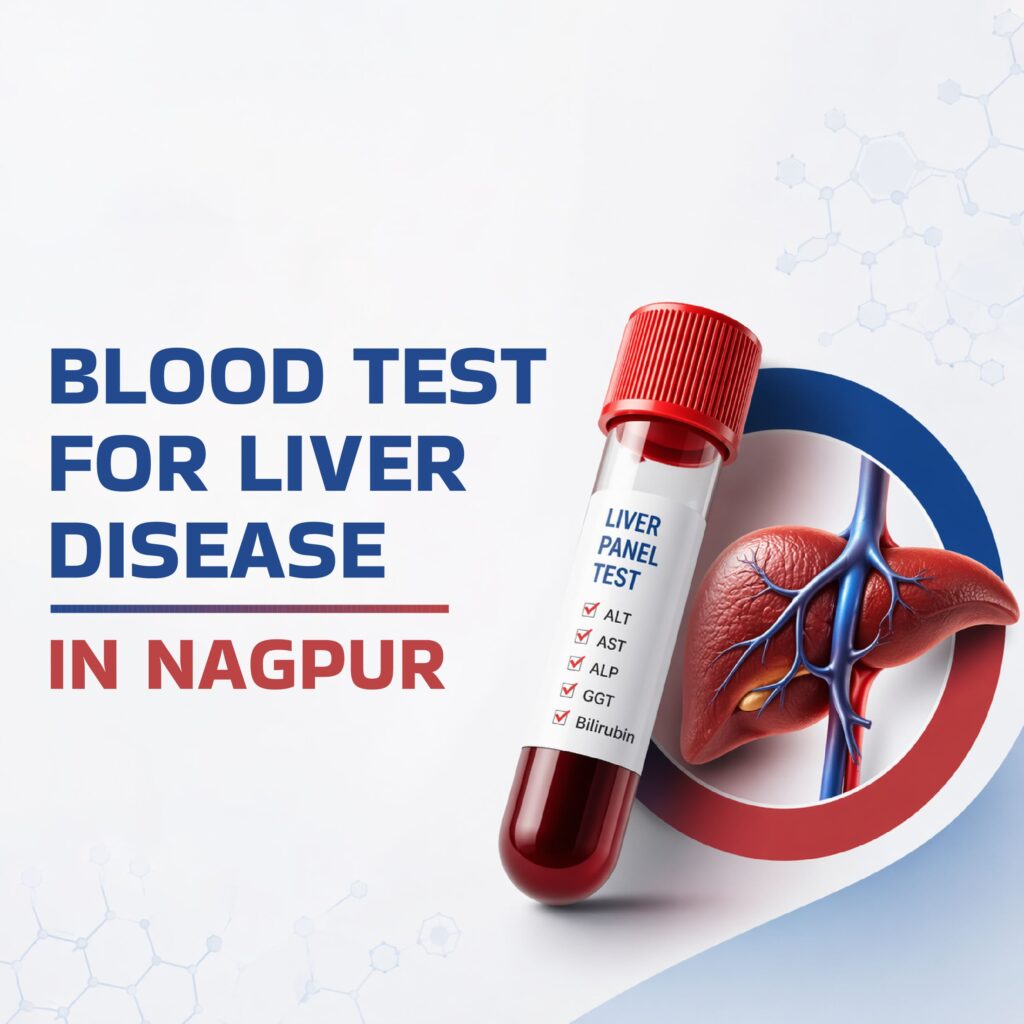
What Is a Liver Function Test?

Why Is a Blood Test for Liver Disease Done?
- Screening for liver disease in individuals with known risk factors such as obesity, diabetes or alcohol use
- Investigating symptoms suggestive of liver disease including fatigue, jaundice or abdominal discomfort
- Diagnosing and monitoring viral hepatitis including Hepatitis A, B and C
- Evaluating fatty liver disease and monitoring its progression
- Assessing liver function in patients with known liver cirrhosis
- Monitoring the effects of medications that may affect liver function
- Evaluating autoimmune liver conditions
- Assessing liver health before and after abdominal surgery
- Monitoring liver function during and after treatment for liver disease
- Evaluating unexplained anaemia, weight loss or fatigue that may be related to liver disease
What Does a Liver Function Test Measure?
| Test Component | What It Measures | Significance |
|---|---|---|
| ALT (Alanine Aminotransferase) | Liver cell enzyme | Elevated levels indicate liver cell damage or inflammation |
| AST (Aspartate Aminotransferase) | Liver and muscle enzyme | Elevated levels suggest liver or muscle damage |
| ALP (Alkaline Phosphatase) | Liver and bone enzyme | Elevated levels may indicate bile duct or liver disease |
| GGT (Gamma Glutamyl Transferase) | Liver enzyme | Sensitive marker for alcohol related liver disease and bile duct conditions |
| Bilirubin | Bile pigment processed by liver | Elevated levels cause jaundice and indicate liver or bile duct issues |
| Albumin | Protein produced by liver | Low levels suggest reduced liver synthetic function |
| Total Protein | Proteins in blood | Reflects liver protein production capacity |
| Prothrombin Time | Blood clotting ability | Prolonged time indicates impaired liver synthetic function |
When Should You Get a Blood Test for Liver Disease?
- Persistent fatigue or unexplained weakness
- Yellowing of the skin or eyes
- Dark coloured urine or pale stools
- Abdominal discomfort particularly in the upper right side
- Nausea and loss of appetite without an obvious cause
- Easy bruising or prolonged bleeding
- Known risk factors for liver disease including obesity, diabetes, alcohol use or a family history of liver disease
- Abnormal results in a previous liver function test
- Taking medications known to affect liver function
How Is a Liver Blood Test Performed?
- The patient may be advised to fast for a specified period before the blood test depending on the tests being performed
- A small amount of blood is collected from a vein in the arm using a fine needle
- The blood sample is sent to the pathology laboratory for analysis
- The laboratory measures the specific liver enzymes, proteins and other markers in the blood sample
- A detailed report is prepared and shared with the referring hepatologist or gastroenterologist
- The doctor interprets the results in the context of the patient's symptoms, clinical history and other investigations
Why Choose LGI Hospital for Blood Test for Liver Disease in Nagpur?
- Dedicated Hepatology and Gastroenterology Expertise: LGI Hospital in Nagpur has a specialist team of hepatologists and gastroenterologists who are experienced in interpreting liver blood test results in the context of comprehensive clinical evaluation, ensuring accurate diagnosis and appropriate management of all liver conditions.
- Comprehensive Liver Disease Diagnostic Capabilities: Beyond standard liver function tests, LGI Hospital provides a full range of liver disease investigations including hepatitis serology, autoimmune liver antibodies, advanced imaging and liver biopsy, ensuring a complete and thorough assessment of liver health.
- Integrated Diagnostic and Clinical Care: As a dedicated single speciality gastroenterology and liver hospital, LGI Hospital provides seamless integration between liver blood testing, imaging, endoscopy and clinical hepatology care, ensuring that every patient receives a coordinated and comprehensive liver disease evaluation.
- Expert Interpretation and Personalised Guidance: Liver blood test results require expert clinical interpretation to be meaningful. The specialist team at LGI Hospital in Dhantoli, Nagpur takes the time to explain findings clearly, answer patient questions and provide personalised guidance on next steps based on each individual's test results and clinical condition.
FAQ
Q1. Is a liver blood test painful?
A liver blood test involves the collection of a small blood sample from a vein in the arm using a fine needle. Most patients experience only a brief and mild discomfort during the blood collection, which takes just a few minutes. The procedure is very well tolerated and causes minimal inconvenience.
Q2. How long does a liver blood test take?
The blood collection itself takes only a few minutes. Laboratory analysis of the blood sample typically takes one to two working days. Results are then reviewed by the hepatologist or gastroenterologist and discussed with the patient at a follow up consultation or communicated as arranged.
Q3. What happens during a liver blood test?
During a liver blood test, a small amount of blood is collected from a vein in the arm. The sample is sent to the pathology laboratory where specific liver enzymes, proteins and other markers are measured. A detailed report is prepared and shared with the referring doctor who interprets the results in the context of the patient’s clinical condition and history.
Q4. Why is a liver function test done?
A liver function test is done to assess the health and functional capacity of the liver, detect liver inflammation or damage, diagnose liver conditions such as hepatitis and fatty liver disease, monitor the progression of known liver conditions and evaluate the effects of medications on liver function. It is an essential first step in the evaluation of any suspected liver condition.
Q5. Which hospital is best for blood test for liver disease in Nagpur?
LGI Hospital in Dhantoli, Nagpur is a dedicated single speciality gastroenterology and liver hospital with specialist hepatologists and gastroenterologists who provide comprehensive liver disease evaluation including advanced liver blood testing, imaging and biopsy. The hospital provides integrated liver diagnostic and clinical care under one roof.