
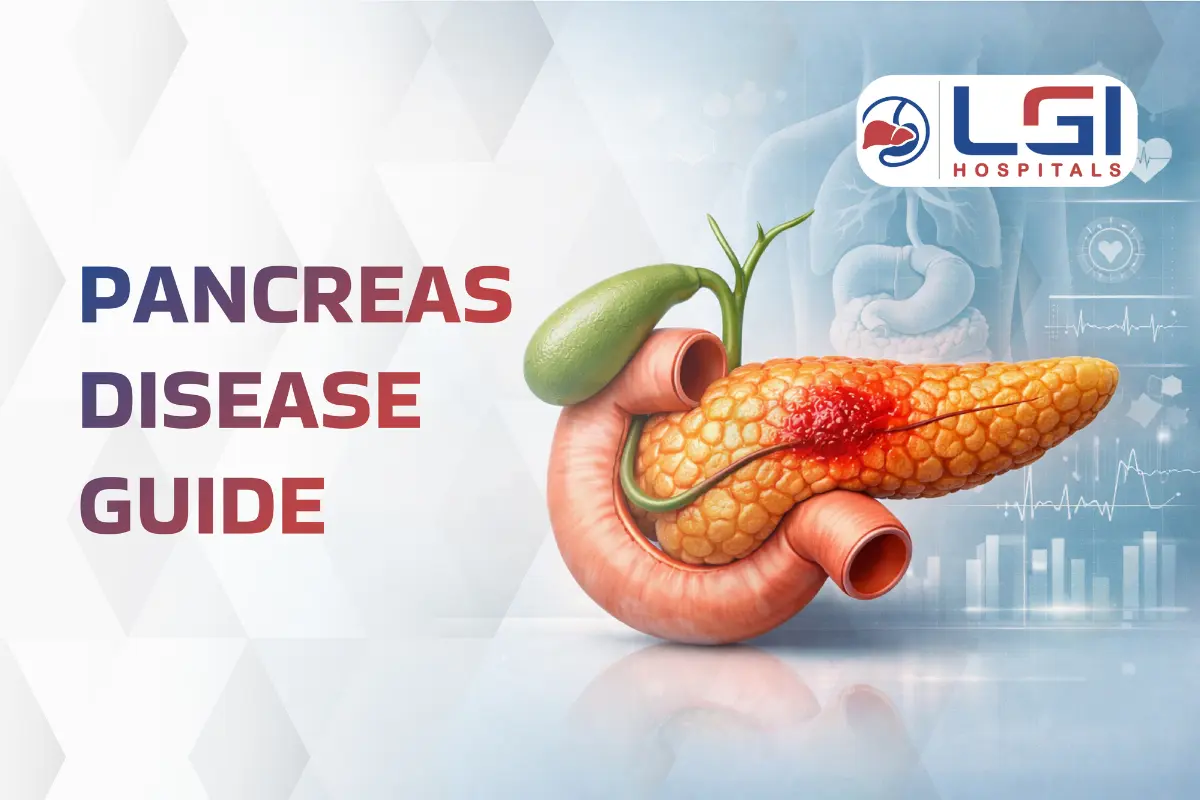
The pancreas is one of the most hardworking organs in the human body, yet most people know almost nothing about it until something goes wrong. It sits quietly behind the stomach, regulating blood sugar and producing digestive enzymes every single day. When it starts to fail, the consequences range from persistent abdominal pain to life-threatening conditions like pancreatic cancer. The problem is that pancreas diseases are frequently misdiagnosed or ignored in their early stages because the symptoms mimic far more common conditions like acidity or back pain.
In this guide, you will get a complete, medically grounded understanding of pancreas diseases and disorders including what causes them, how they present, how they are diagnosed, and what treatment options are available. This is written for patients, caregivers, and anyone who wants to understand what their doctor means when they mention a pancreatic condition.
At LGI Hospitals, Nagpur, pancreatic conditions are among the most complex cases handled by the gastroenterology team. Understanding the full picture of pancreas diseases helps patients arrive at a consultation better informed, better prepared, and better positioned to participate in decisions about their own care.
Quick Overview
- What the pancreas does: Produces insulin to regulate blood sugar and digestive enzymes to break down food
- Most common pancreas diseases: Pancreatitis (acute and chronic), pancreatic cancer, fatty pancreas, pancreatic cysts, and diabetes-related pancreatic dysfunction
- Who is at risk: People with high alcohol intake, gallstones, obesity, family history of pancreatic disease, or long-term uncontrolled diabetes
- When to see a doctor: Persistent upper abdominal pain, unexplained weight loss, yellowing of skin or eyes, oily or floating stools, or new-onset diabetes after age 50
What Do the Pancreas Do?
Before understanding what goes wrong, it helps to understand what the pancreas does when it is working correctly.
The pancreas has two distinct functions:
Exocrine Function
The exocrine pancreas produces digestive enzymes including lipase, amylase, and protease. These enzymes travel through the pancreatic duct into the small intestine where they break down fats, carbohydrates, and proteins from food. When this function is impaired, the body cannot absorb nutrients properly, leading to malnutrition, fatty stools, and weight loss.
Endocrine Function
The endocrine pancreas contains clusters of cells called the islets of Langerhans. These cells produce insulin and glucagon, the hormones that regulate blood sugar levels. When this function fails, the result is diabetes.
Both functions can be affected simultaneously in severe pancreatic disease, which is why advanced pancreatic conditions often present with both digestive and metabolic symptoms together.
Discover: How the Pancreas works
Types of Pancreas Diseases and Disorders
1. Acute Pancreatitis
Acute pancreatitis is sudden inflammation of the pancreas. It occurs when digestive enzymes become activated inside the pancreas before they reach the small intestine, causing the organ to essentially begin digesting itself.
Common causes:
- Gallstones blocking the pancreatic duct
- Heavy alcohol consumption
- High triglyceride levels in the blood
- Certain medications
- Abdominal trauma or injury
Symptoms:
- Sudden, severe upper abdominal pain that may radiate to the back
- Nausea and vomiting
- Fever
- Swollen or tender abdomen
- Rapid pulse
Most cases of acute pancreatitis resolve with hospital treatment including IV fluids, pain management, and fasting to rest the pancreas. Severe cases can lead to organ failure and require intensive care.
Learn More: Warning signs of pancreatitis
2. Chronic Pancreatitis
Chronic pancreatitis is long-term inflammation that progressively damages pancreatic tissue. Unlike acute pancreatitis which can resolve completely, chronic pancreatitis causes permanent scarring and loss of pancreatic function over time.
Common causes:
- Repeated episodes of acute pancreatitis
- Long-term alcohol use
- Autoimmune conditions
- Hereditary or genetic factors
- Idiopathic (no identifiable cause in some cases)
Symptoms:
- Persistent or recurring upper abdominal pain
- Unintentional weight loss
- Oily, foul-smelling stools (steatorrhea)
- Nausea
- Eventually, diabetes as insulin-producing cells are destroyed
Chronic pancreatitis has no cure. Management focuses on pain control, enzyme replacement therapy, dietary modification, and treating complications.
Explore More: Diet for pancreatitis recovery
3. Pancreatic Cancer
Pancreatic cancer is one of the most serious malignancies because it is typically diagnosed at an advanced stage when treatment options are limited. The most common type is pancreatic ductal adenocarcinoma, which arises from the cells lining the pancreatic ducts.
Risk factors:
- Age above 60
- Smoking
- Long-standing diabetes
- Chronic pancreatitis
- Obesity
- Family history of pancreatic cancer or BRCA gene mutations
Symptoms (often late-appearing):
- Jaundice (yellowing of skin and eyes)
- Dark urine and pale stools
- Unexplained weight loss
- Upper abdominal or back pain
- Loss of appetite
- New-onset diabetes in older adults with no prior history
Early detection significantly improves outcomes. Anyone with unexplained jaundice, rapid weight loss, or persistent upper abdominal pain should seek prompt medical evaluation.
Explore more: Gastrointestinal Cancers explained
4. Fatty Pancreas
Fatty pancreas, also called pancreatic lipomatosis or pancreatic steatosis, refers to the abnormal accumulation of fat within pancreatic tissue. It is increasingly recognized as a condition linked to obesity, metabolic syndrome, and non-alcoholic fatty liver disease.
Associated conditions:
- Obesity and overweight
- Type 2 diabetes
- High triglycerides
- Non-alcoholic fatty liver disease (NAFLD)
- Metabolic syndrome
Fatty pancreas is often detected incidentally on imaging done for other reasons. While it may not cause immediate symptoms, it is associated with increased risk of pancreatitis and pancreatic cancer over time.
Explore More: What is Fatty Pancreas and how to reverse it
5. Pancreatic Cysts
Pancreatic cysts are fluid-filled sacs that form within or on the surface of the pancreas. They range from completely benign to potentially precancerous.
Types include:
- Pseudocysts: Most common, usually form after pancreatitis
- Serous cystadenomas: Almost always benign
- Mucinous cystic neoplasms: Carry risk of becoming cancerous
- Intraductal papillary mucinous neoplasms (IPMNs): Require monitoring or surgery depending on characteristics
Many pancreatic cysts produce no symptoms and are found on imaging done for unrelated reasons. Management depends on the type, size, and characteristics of the cyst.
6. Pancreatic Exocrine Insufficiency (PEI)
PEI occurs when the pancreas cannot produce enough digestive enzymes to properly break down food. It is a common complication of chronic pancreatitis, pancreatic surgery, and cystic fibrosis.
Symptoms:
- Fatty, oily, or floating stools
- Bloating and gas after meals
- Unintentional weight loss
- Nutritional deficiencies including fat-soluble vitamins
Treatment involves pancreatic enzyme replacement therapy (PERT) taken with every meal, along with dietary adjustments.
7. Pancreatic Neuroendocrine Tumors (PNETs)
These are rare tumors that arise from the hormone-producing cells of the pancreas. Unlike pancreatic adenocarcinoma, many PNETs grow slowly and carry a better prognosis. Some are functional and produce excess hormones causing specific syndromes. Others are non-functional and present as a mass or incidental finding.
How Pancreas Diseases Are Diagnosed
Diagnosis of pancreatic conditions typically involves a combination of the following:
| Diagnostic Tool | What It Detects |
| Blood tests (amylase, lipase) | Elevated enzymes indicating pancreatitis |
| Blood glucose and HbA1c | Endocrine dysfunction or diabetes |
| Ultrasound abdomen | Gallstones, pancreatic swelling, cysts |
| CT scan (contrast) | Inflammation, necrosis, tumors, cysts |
| MRI / MRCP | Detailed imaging of pancreatic and bile ducts |
| Endoscopic Ultrasound (EUS) | Fine detail of pancreatic tissue, biopsy guidance |
| ERCP | Diagnosis and treatment of ductal obstruction |
| Fecal elastase test | Exocrine insufficiency assessment |
| CA 19-9 tumor marker | Supportive marker for pancreatic cancer |
No single test diagnoses all pancreatic conditions. A gastroenterologist typically uses a combination of imaging, blood work, and clinical history to arrive at an accurate diagnosis.
Treatment Options for Pancreas Diseases
Treatment varies significantly depending on the specific condition, its severity, and the patient’s overall health.
Medical Management
- IV fluids and fasting for acute pancreatitis
- Pain management with appropriate medications
- Enzyme replacement therapy for PEI
- Insulin therapy for pancreatic diabetes
- Antibiotics for infected pancreatic necrosis
- Immunosuppressants for autoimmune pancreatitis
Endoscopic Treatment
- ERCP to remove gallstones from the bile duct
- Endoscopic drainage of pancreatic pseudocysts
- Stenting of the pancreatic duct in chronic pancreatitis
- EUS-guided procedures for cyst aspiration or biopsy
Surgical Treatment
Surgery is considered for pancreatic cancer, large or suspicious cysts, complications of chronic pancreatitis that do not respond to other treatments, and certain cases of acute severe pancreatitis with necrosis.
Common surgical procedures include the Whipple procedure (pancreaticoduodenectomy), distal pancreatectomy, and total pancreatectomy depending on the location and extent of disease.
Dietary and Lifestyle Management
Diet plays a central role in managing most pancreatic conditions. General principles include:
- Low-fat diet to reduce the burden on the pancreas
- Small, frequent meals rather than large portions
- Complete avoidance of alcohol in pancreatitis
- High-protein, nutrient-dense foods to counter weight loss
- Avoiding smoking which is a major risk factor for pancreatic cancer
Visit: Nutrition guide for a healthy Pancreas
When to See a Gastroenterologist
Seek prompt medical evaluation if you experience any of the following:
- Sudden severe abdominal pain that does not resolve within a few hours
- Jaundice with or without abdominal pain
- Unexplained weight loss of more than 3 to 4 kg over a few weeks
- Persistent nausea, vomiting, or loss of appetite
- Oily, floating, or foul-smelling stools
- New-onset diabetes, particularly in adults over 50 with no family history
- Persistent upper back pain in combination with any digestive symptom
Early evaluation is the single most important factor in improving outcomes for serious pancreatic conditions including cancer.
Key Takeaways
Pancreas diseases range from manageable inflammatory conditions to life-threatening malignancies. What they share in common is that early recognition and appropriate medical care make a meaningful difference in outcomes.
To summarize what this guide has covered:
- The pancreas serves both digestive and hormonal functions, and disease can affect either or both
- Acute and chronic pancreatitis, pancreatic cancer, fatty pancreas, and pancreatic cysts are among the most common conditions
- Symptoms are often non-specific in early stages, which is why persistent or unusual digestive symptoms should never be dismissed
- Diagnosis requires a combination of imaging, blood tests, and specialist evaluation
- Treatment ranges from dietary changes and medication to endoscopic procedures and surgery depending on the condition
If you or someone you know is experiencing persistent abdominal pain, unexplained weight loss, or digestive changes, a consultation with a gastroenterologist at LGI Hospitals, Dhantoli, Nagpur is a practical first step toward accurate diagnosis and appropriate care.
Medical Disclaimer: This blog is intended for general informational purposes only and does not constitute medical advice, diagnosis, or treatment. Pancreatic conditions vary significantly in their presentation and severity. Some conditions discussed in this article, including pancreatic cancer, can be life-threatening if not diagnosed and treated promptly. Do not use this content to self-diagnose or delay seeking professional medical evaluation. If you are experiencing severe abdominal pain, jaundice, or unexplained weight loss, seek immediate medical attention. Always consult a qualified gastroenterologist or medical professional for advice specific to your health condition.
FAQ
Q1. What are the most common pancreas diseases in India? Acute pancreatitis caused by gallstones and alcohol use is among the most commonly seen pancreatic conditions. Chronic pancreatitis, pancreatic cancer, and increasingly, fatty pancreas associated with obesity and metabolic syndrome are also frequently diagnosed.
Q2. Can pancreas disease be cured completely? It depends on the condition. Acute pancreatitis often resolves fully with treatment. Chronic pancreatitis causes permanent damage and is managed rather than cured. Pancreatic cancer outcomes depend heavily on the stage at diagnosis. Fatty pancreas can improve significantly with lifestyle and dietary changes.
Q3. Is pancreas disease always painful? Not always. Fatty pancreas and early pancreatic cysts may cause no pain at all. Pancreatic cancer frequently presents without pain until it reaches an advanced stage. Pancreatitis, on the other hand, typically presents with significant abdominal pain.
Q4. How is pancreatitis different from pancreatic cancer? Pancreatitis is inflammation of the pancreas, which can be acute or chronic. Pancreatic cancer is a malignant tumor. While chronic pancreatitis does increase the risk of pancreatic cancer over time, they are distinct conditions with different causes, presentations, and treatments.
Q5. What blood tests are done to check the pancreas? Serum amylase and lipase are the primary blood tests for acute pancreatitis. Blood glucose and HbA1c assess endocrine function. CA 19-9 is a tumor marker used alongside imaging in suspected pancreatic cancer. Fecal elastase assesses exocrine insufficiency.
Q6. Can diet alone manage pancreatic disease? Diet is an important component of management for most pancreatic conditions but is rarely sufficient as a standalone treatment. It works alongside medical therapy, enzyme replacement, or surgical intervention depending on the specific diagnosis.