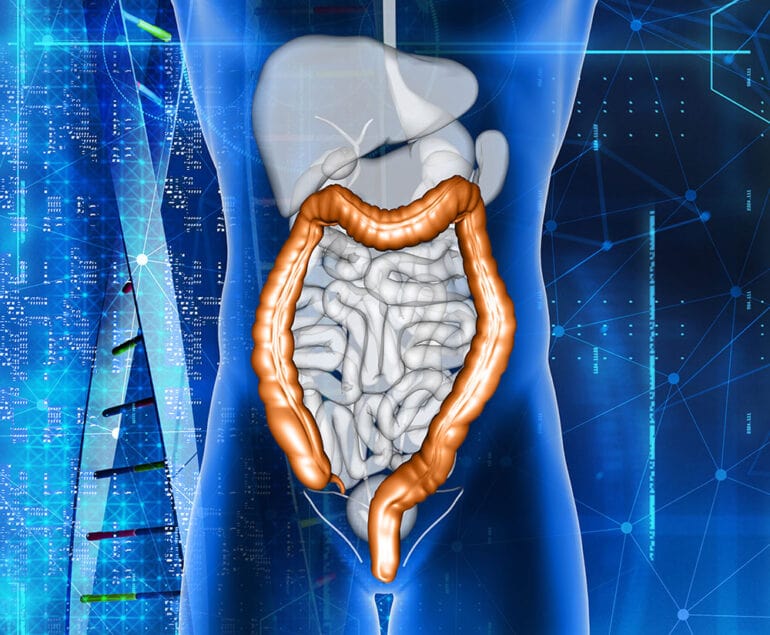
SERVICES OFFERED
ENDOSCOPY
- Diagnostic & Therapeutic Upper GI Endoscopy
- Diagnostic & Therapeutic Colonoscopy
- Capsule Endoscopy
- ERCP & Cholangio-pancreatoscopy
- Endoscopic Ultrasound [EUS]
GI MOTILITY LAB
- 24 Hrs Esophageal pH-Impedance study
- Esophageal & Anorectal Manometry
BREATH TESTS
- Hydrogen Breath Test for small intestinal bacterial overgrowth
- Urea Breath Test for H. pylori infection
SURGERY
- Esophageal & Gastric Surgery
- Hepatectomy & Liver Surgery
- Pancreato – Billiary Surgery
- Colorectal Surgery
- Hernia Surgery – Laparoscopic & Open
- Minimally Invasive & Laparoscopia Surgery
- Gl Oncology Surgery
- Surgery for Piles, Fistula & Fissure
RADIOLOGY
- Digital X-Ray
- Ultrasound with Colour Doppler
- Liver Elastography [Fibroscan] for liver fibrosis and steatosis.
PATHOLOGY
CRITICAL CARE TAIL
- State of Art Intensive Care Unit & Expert Team for management of GI and hepato-pancreato-biliary diseases
ADVANCED SERVICES OFFERED
ERCP & CHOLANGIO-PANCREATOSCOPY
- Complex Pancreato-biliary Procedures
[Multiple biliary stent placement for hilar strictures;
mechanical lithotripsy for CBO stones] - Laser Lithotripsy Treatment for CBD / pancreatic stones
- CBD Stricture evaluation
- Ampullectomy
THIRD SPACE ENDOSCOPY
- Endoscopic Mucosal Resection [EMR] & Endoscopic Submucosal Dissection [ESD] for early gastrointestinal cancers
- Peroral Endoscopic Myotomy [POEM] for Zenker’s Diverticulum,
Achalasia Cardia, Gastroparesis, Hirschsprung’s disease - Submucuosal Tunneling & Endoscopic Resection [STER]
& Endoscopic Full-Thickness Resecton (EFTR] for subepithlial tumors
ANTIREFLUX TREATMENT [FOR GERD]
- Antireflux Mucosal Ablation [ARMA]
- Endoscopic Funcoplication
ENDOBARIATRICS [FOR WEIGHT LOSS]
- Gastric Balloon placement
- Endoscopic Sleeve Gastroplasty
ENDOSCOPIC ULTRASOUND [EUS]
- EUS & EUS – guided FNAC / Biopsy for diagnosis
- EUS – guided Pancreatic Cysto-gastrostomy / Choledocho-jejunostomy / Hepatico-gastrostomy
- EUS – guided Gastric Variceal Glue & Coil treatment
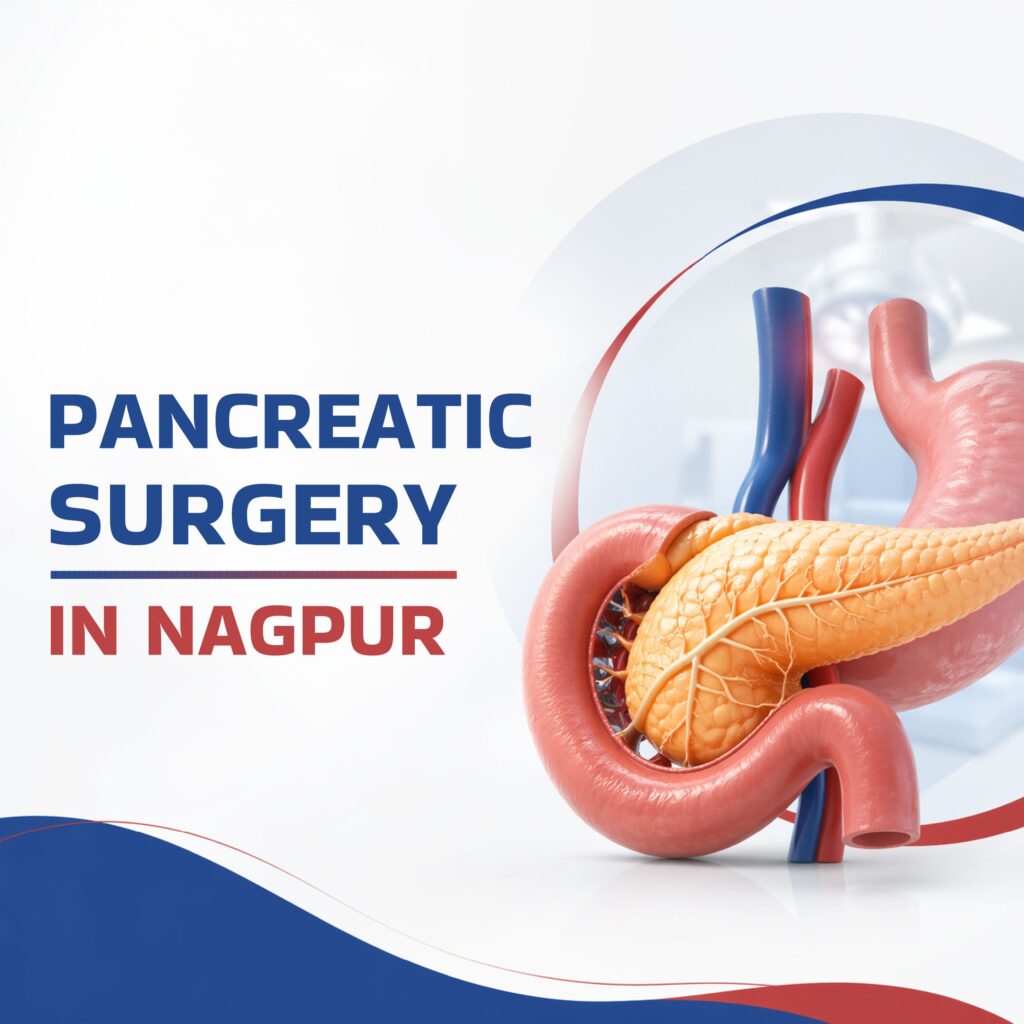
What Is Pancreatitis?

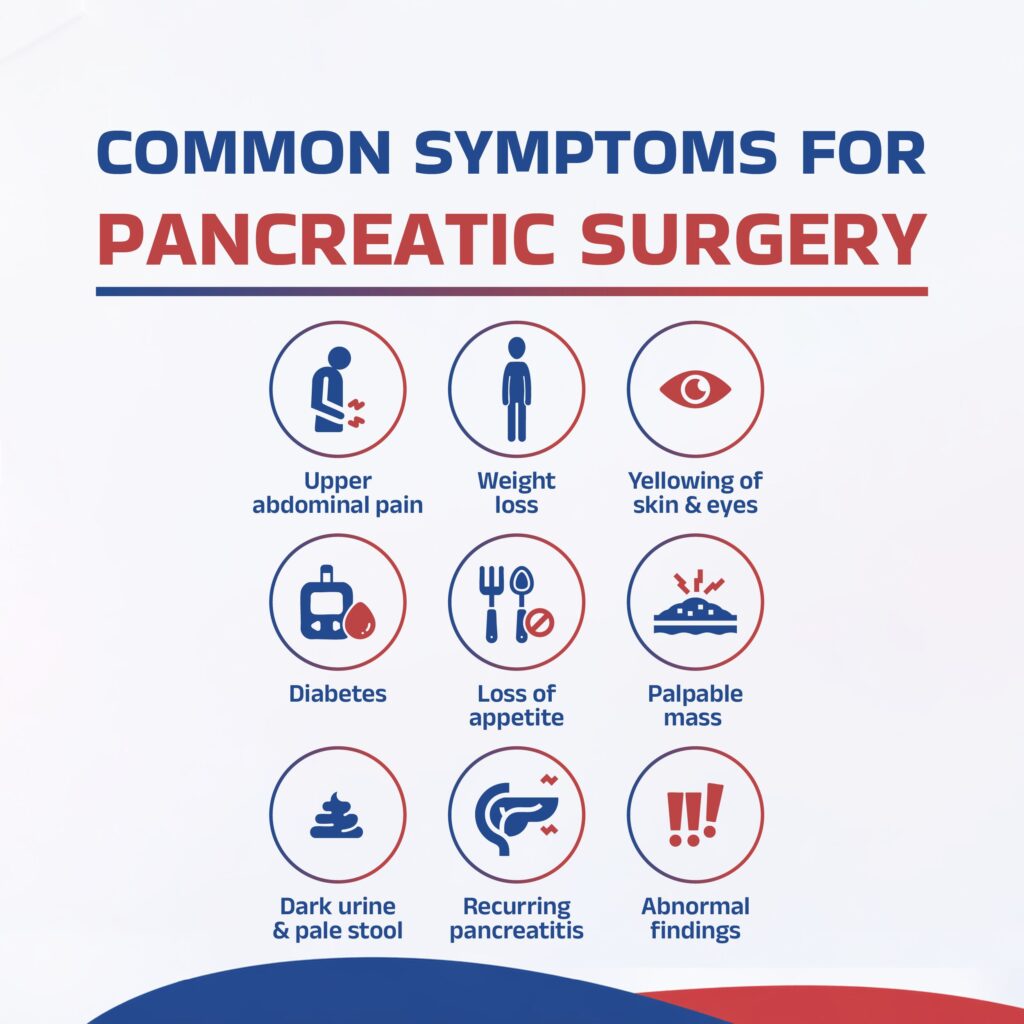
Common Symptoms of Pancreatitis
- Severe pain in the upper abdomen that may radiate to the back
- Abdominal pain that worsens after eating
- Nausea and vomiting
- Fever and increased heart rate in acute cases
- Swollen or tender abdomen
- Oily or foul smelling stools in chronic pancreatitis
- Unintentional weight loss
- Bloating and indigestion
- Diabetes developing as a result of pancreatic damage in chronic cases
Common Causes of Pancreatitis
- Gallstones that block the pancreatic duct
- Excessive and prolonged alcohol consumption
- High levels of triglycerides in the blood
- High levels of calcium in the blood
- Certain medications that can trigger pancreatic inflammation
- Abdominal injury or trauma
- Genetic conditions affecting the pancreas
- Autoimmune conditions
- Pancreatic tumours or structural abnormalities
When Should You See a Doctor for Pancreatitis?
- Sudden and severe upper abdominal pain that does not resolve
- Abdominal pain that radiates through to the back
- Persistent vomiting that does not allow you to keep food or water down
- Fever along with severe abdominal pain
- A swollen or tender abdomen
- Rapid heartbeat with abdominal discomfort
- Yellowing of the skin or eyes along with abdominal pain
Pancreatitis Treatment Options in Nagpur
| Treatment Type | Suitable For |
|---|---|
| Hospitalisation and supportive care | Acute pancreatitis management |
| Intravenous fluids and nutritional support | Acute pancreatitis recovery |
| Pain management under medical supervision | Both acute and chronic pancreatitis |
| Endoscopic removal of gallstones | Gallstone related pancreatitis |
| Alcohol cessation support | Alcohol related pancreatitis |
| Enzyme replacement therapy | Chronic pancreatitis with digestive insufficiency |
| Dietary modifications and nutritional guidance | Long term chronic pancreatitis management |
| Surgical intervention | Complications or structural causes of pancreatitis |
Why Choose LGI Hospital for Pancreatitis Treatment in Nagpur?
- Expert Gastroenterology and Pancreato-Biliary Specialists: LGI Hospital in Nagpur has a dedicated team of specialist gastroenterologists with focused expertise in pancreato-biliary diseases, providing comprehensive evaluation and management of both acute and chronic pancreatitis.
- Advanced Endoscopic and Diagnostic Capabilities: From CT imaging and endoscopic ultrasound to ERCP for bile duct and pancreatic duct evaluation, LGI Hospital in Dhantoli, Nagpur provides the full range of advanced diagnostic and therapeutic tools for pancreatitis care.
- Comprehensive Inpatient and Outpatient Care: LGI Hospital provides both inpatient management for acute pancreatitis requiring hospitalisation and ongoing outpatient care for chronic pancreatitis management, ensuring continuity of treatment.
- Integrated GI and Surgical Expertise: With both medical and surgical gastroenterologists on the team, LGI Hospital is well equipped to manage pancreatitis across all stages and levels of complexity under one roof.
FAQ
Q1. Can pancreatitis be cured permanently?
Acute pancreatitis can resolve completely with appropriate treatment in many cases. Chronic pancreatitis, however, is a progressive condition that may not be fully reversible but can be effectively managed to prevent further damage and improve quality of life. Identifying and addressing the underlying cause such as gallstones or alcohol is essential for long term management.
Q2. What are the symptoms of pancreatitis?
Common symptoms include severe upper abdominal pain that may radiate to the back, nausea, vomiting, fever, swollen abdomen and in chronic cases, oily stools, weight loss and digestive difficulties. Acute symptoms tend to be sudden and severe while chronic symptoms are persistent and gradually worsening.
Q3. What causes pancreatitis?
The most common causes of pancreatitis are gallstones and excessive alcohol consumption. Other causes include high triglyceride levels, certain medications, abdominal trauma, autoimmune conditions and genetic factors. A gastroenterologist will conduct a thorough evaluation to identify the specific cause in each case.
Q4. How long does pancreatitis treatment take?
The duration of treatment depends on the type and severity. Mild acute pancreatitis may resolve within a few days with hospitalisation and supportive care. Severe acute pancreatitis may require a longer hospital stay and more intensive management. Chronic pancreatitis requires ongoing long term management with regular specialist follow up.
Q5. Is pancreatitis related to gallbladder disease?
Yes, gallstones are one of the most common causes of acute pancreatitis. When a gallstone passes from the gallbladder and gets lodged at the junction of the bile duct and pancreatic duct, it can block the flow of digestive enzymes and trigger pancreatitis. Treating the gallstone problem is therefore an important part of managing gallstone related pancreatitis.
- Diagnostic Precision: Endoscopy allows for direct visualization of internal organs. This enables accurate diagnosis of various conditions such as ulcers, inflammation, tumors, and other abnormalities.
- List Item #2
- List Item #3
- Diagnostic & Therapeutic Upper GI Endoscopy
- Diagnostic & Therapeutic Colonoscopy
- Capsule Endoscopy
- ERCP & Cholangio-pancreatoscopy
- Endoscopic Ultrasound [EUS]