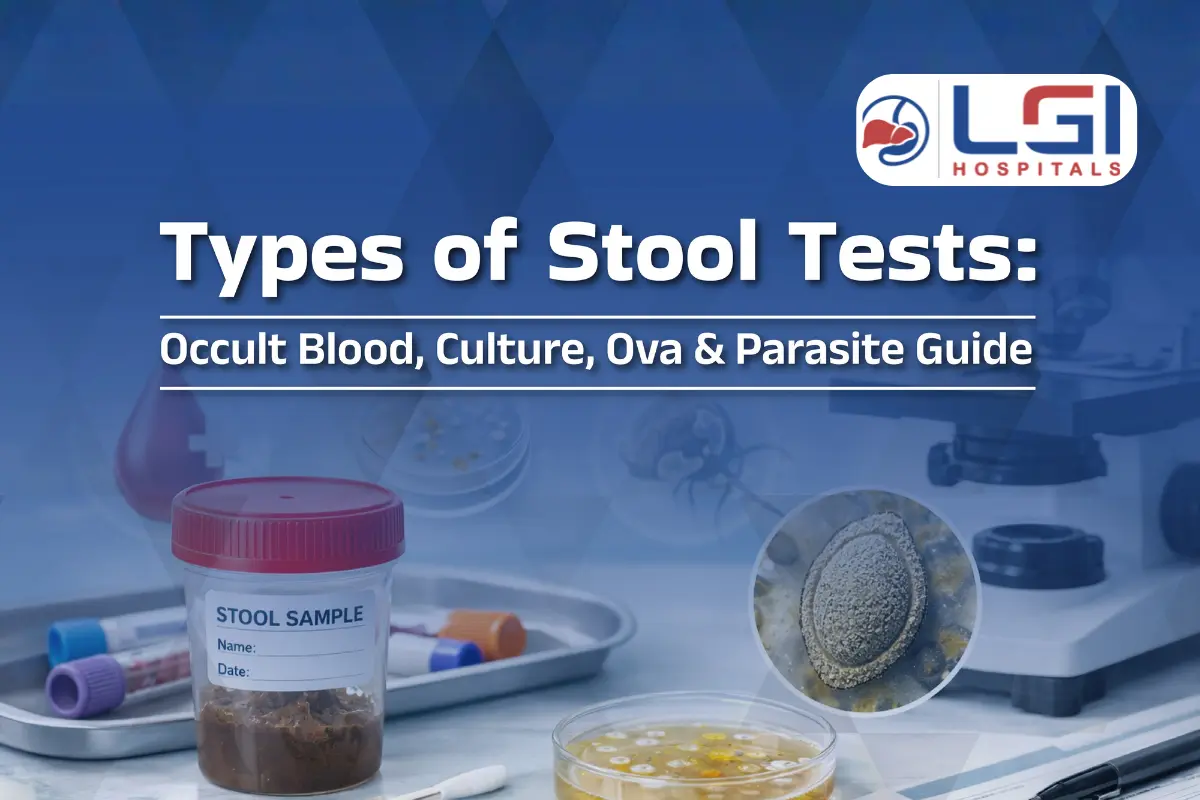
Digestive issues can sometimes seem minor, but they may signal underlying health conditions that require medical attention. To accurately diagnose these problems, doctors often recommend stool analysis. Understanding the types of stool tests can help you know why a test is necessary and what it can reveal about your digestive health.
This comprehensive guide explains the most common types of stool tests, what they detect, and when they are recommended.
What Are Stool Tests?
Stool tests are laboratory examinations of a stool (feces) sample used to detect infections, inflammation, bleeding, digestive disorders, and certain cancers.
Doctors may advise stool testing if you experience:
- Persistent diarrhea
- Blood in stool
- Abdominal cramps or pain
- Unexplained weight loss
- Long-term digestive discomfort
- Suspected food poisoning or infection
There are several types of stool tests, and each serves a specific diagnostic purpose.
Common Types of Stool TestsBelow are the most important and commonly performed types of stool tests:
1. Fecal Occult Blood Test (FOBT)
The Fecal Occult Blood Test (FOBT) checks for hidden blood in the stool that cannot be seen with the naked eye.
Why It Is Important:
- Screens for colorectal cancer
- Detects internal gastrointestinal bleeding
- Identifies ulcers or polyps
This is one of the most critical types of stool tests for early detection of serious conditions.
2. Fecal Immunochemical Test (FIT)
The Fecal Immunochemical Test (FIT) is a more advanced and specific version of the occult blood test.
Key Benefits:
- Detects human blood specifically
- No dietary restrictions required
- Highly recommended for colorectal cancer screening
Among modern types of stool tests, FIT is widely preferred for routine cancer screening.
3. Stool Culture Test
A stool culture test identifies bacteria responsible for digestive infections.
Common Bacteria Detected:
- Salmonella
- Shigella
- E. coli
- Campylobacter
Doctors usually recommend this test for patients experiencing severe diarrhea, fever, or symptoms of food poisoning.
4. Ova and Parasite (O&P) Test
The Ova and Parasite (O&P) test detects parasites and their eggs in stool samples.
It Helps Diagnose:
- Giardia infection
- Amoebiasis
- Roundworms
- Tapeworms
This test is especially useful for patients with prolonged diarrhea or recent travel history.
5. Stool Antigen Test
A stool antigen test identifies specific proteins linked to infections.
Commonly Used For:
- H. pylori infection
- Viral infections
- Certain bacterial infections
This test provides quick and reliable confirmation of infections.
6. Fecal Fat Test
The fecal fat test measures fat levels in stool to determine if the body is absorbing nutrients properly.
It Helps Detect:
- Celiac disease
- Pancreatic disorders
- Malabsorption syndromes
Excess fat in stool may indicate digestive dysfunction.
7. Calprotectin Stool Test
The calprotectin stool test measures inflammation in the intestines.
Often Recommended For:
- Inflammatory Bowel Disease (IBD)
- Crohn’s disease
- Ulcerative colitis
This is one of the most useful types of stool tests for differentiating IBS from more serious inflammatory conditions.
How to Prepare for Stool Tests
Preparation depends on the specific test, but general instructions include:
- Use a sterile container provided by the laboratory
- Avoid contamination of the sample
- Follow any dietary or medication instructions given by your doctor
- Submit the sample within the recommended time frame
Proper sample collection ensures accurate results.
Are Stool Tests Safe?
Yes, stool tests are completely safe and non-invasive. Since the test involves only sample collection, there are no significant risks or side effects.
They are simple yet powerful diagnostic tools that provide valuable insights into digestive health.
When Should You Consider Stool Testing?
You should consult a doctor if you experience:
- Blood in stool
- Persistent diarrhea
- Severe abdominal pain
- Chronic bloating
- Unexplained weight loss
Early diagnosis through appropriate types of stool tests can prevent complications and ensure timely treatment.
Advanced Stool Testing at LGI Hospital
If you are looking for accurate and reliable diagnostic services, LGI Hospital offers advanced stool testing with modern laboratory facilities and experienced medical professionals.
With strict quality control, precise diagnostic methods, and patient-focused care, LGI Hospital ensures dependable results that help guide effective treatment.
Book Your Stool Test Today
Digestive symptoms should never be ignored. Whether it’s for infection screening, inflammation detection, or cancer screening, choosing the right diagnostic center matters.
Schedule your stool test at LGI Hospital in Nagpur for trusted laboratory services and expert medical guidance. Early testing can make a significant difference in protecting your long-term health.
Take the first step toward better digestive wellness – book your appointment today.
Disclaimer
This article is meant for general information and awareness only. It does not replace personal medical advice, diagnosis or treatment. Diabetic foot ulcers are serious conditions, and only a qualified healthcare professional who examines you and reviews your reports can suggest the right investigations or treatment. If you notice any worrying changes in your feet or have severe symptoms, please seek medical care without delay.