
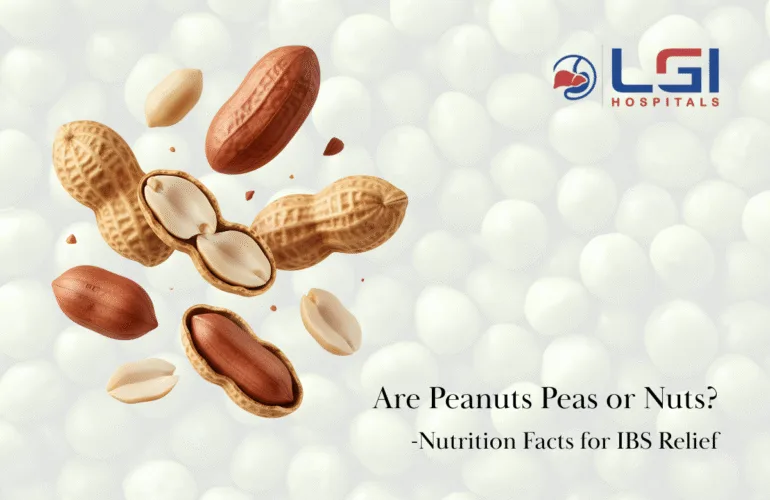
Are peanuts peas or nuts? This question arises often among those curious about food classifications and their impact on health. Botanically, peanuts belong to the legume family, alongside peas and beans, rather than true nuts like almonds or walnuts that grow on trees. At LGI Hospitals in Nagpur, our gastroenterology specialists frequently discuss how such nutrient-dense foods fit into digestive care. This article examines peanuts’ nutritional profile and potential role in supporting gut health, drawing from established research.
Peanuts offer a rich source of protein, fiber, and healthy fats that contribute to overall wellness. Studies highlight their fiber content aiding gut microbiota balance, which plays a key role in conditions like irritable bowel syndrome (IBS). For more on IBS management, see our guide on understanding irritable bowel syndrome.
Botanical Classification: Are Peanuts Peas or Nuts?
Peanuts, or groundnuts, develop underground in pods similar to peas, confirming their legume status rather than nuts. This distinction matters nutritionally, as legumes provide unique prebiotic fibers not always found in tree nuts. Unlike peas, which are eaten fresh or dried, peanuts are typically roasted or boiled in Indian cuisine.
Health authorities classify peanuts separately from tree nuts for allergy purposes, yet group them culinarily with nuts due to taste and texture. Their legume nature links them closer to peas in terms of growth and protein structure.
Nutritional Breakdown of Peanuts
Peanuts pack impressive nutrition per 100g serving: 25.8g protein, 8.5g fiber, and 49.2g fats (mostly monounsaturated). These components support sustained energy and digestive regularity.
| Nutrient (per 100g) | Amount | Potential Gut Support |
| Protein | 25.8g | Tissue repair |
| Dietary Fiber | 8.5g | Microbiota balance |
| Total Fat | 49.2g | Anti-inflammatory effects |
| Folate | 240mcg | Cellular health |
Resveratrol and polyphenols in peanuts promote beneficial gut bacteria growth, as noted in microbiota studies.
Peanuts and Digestive Health Insights
Research indicates peanuts’ fiber ferments into short-chain fatty acids, nurturing colon cells and easing IBS symptoms like bloating in moderation. Unlike high-FODMAP legumes, peanuts often suit low-FODMAP diets recommended for IBS.
Incorporating peanuts aligns with broader liver and gut support strategies, such as those in our article on natural ways to cleanse your liver
Patients post-endoscopy report better tolerance to small peanut portions.
Practical Tips from LGI Gastroenterology Experts
Start with 20-30g daily roasted peanuts, unsalted, to monitor tolerance. Pair with yogurt for probiotic synergy or add to salads. Consult specialists for personalized advice, especially with IBS or allergies.
Nagpur residents benefit from LGI’s advanced diagnostics like colonoscopy for tailored plans. Explore related reads like our post on
skipping breakfast and gut health
Disclaimer
This content provides general educational information from LGI Hospitals and does not constitute medical advice, diagnosis, or treatment. Always consult a qualified gastroenterologist before making dietary changes, particularly for IBS or digestive concerns. Individual responses vary; professional evaluation is essential.