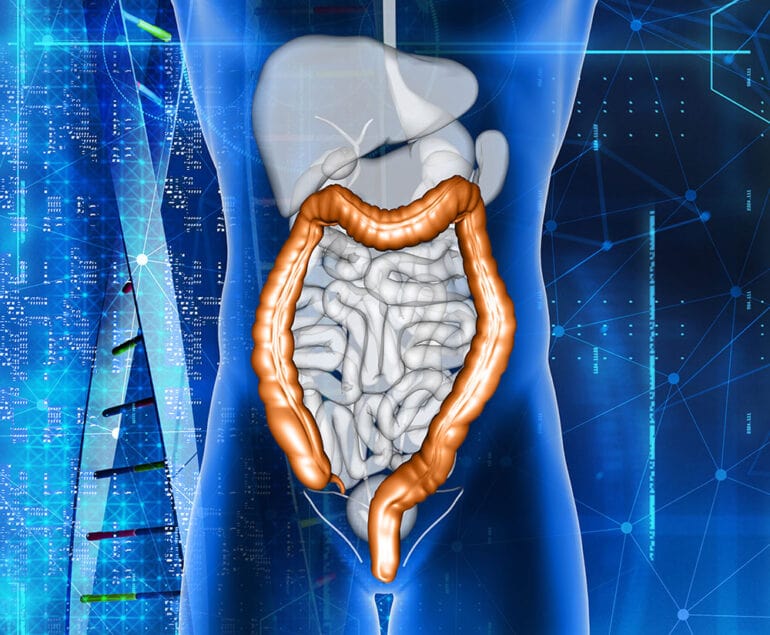
SERVICES OFFERED
ENDOSCOPY
- Diagnostic & Therapeutic Upper GI Endoscopy
- Diagnostic & Therapeutic Colonoscopy
- Capsule Endoscopy
- ERCP & Cholangio-pancreatoscopy
- Endoscopic Ultrasound [EUS]
GI MOTILITY LAB
- 24 Hrs Esophageal pH-Impedance study
- Esophageal & Anorectal Manometry
BREATH TESTS
- Hydrogen Breath Test for small intestinal bacterial overgrowth
- Urea Breath Test for H. pylori infection
SURGERY
- Esophageal & Gastric Surgery
- Hepatectomy & Liver Surgery
- Pancreato – Billiary Surgery
- Colorectal Surgery
- Hernia Surgery – Laparoscopic & Open
- Minimally Invasive & Laparoscopia Surgery
- Gl Oncology Surgery
- Surgery for Piles, Fistula & Fissure
RADIOLOGY
- Digital X-Ray
- Ultrasound with Colour Doppler
- Liver Elastography [Fibroscan] for liver fibrosis and steatosis.
PATHOLOGY
CRITICAL CARE TAIL
- State of Art Intensive Care Unit & Expert Team for management of GI and hepato-pancreato-biliary diseases
ADVANCED SERVICES OFFERED
ERCP & CHOLANGIO-PANCREATOSCOPY
- Complex Pancreato-biliary Procedures
[Multiple biliary stent placement for hilar strictures;
mechanical lithotripsy for CBO stones] - Laser Lithotripsy Treatment for CBD / pancreatic stones
- CBD Stricture evaluation
- Ampullectomy
THIRD SPACE ENDOSCOPY
- Endoscopic Mucosal Resection [EMR] & Endoscopic Submucosal Dissection [ESD] for early gastrointestinal cancers
- Peroral Endoscopic Myotomy [POEM] for Zenker’s Diverticulum,
Achalasia Cardia, Gastroparesis, Hirschsprung’s disease - Submucuosal Tunneling & Endoscopic Resection [STER]
& Endoscopic Full-Thickness Resecton (EFTR] for subepithlial tumors
ANTIREFLUX TREATMENT [FOR GERD]
- Antireflux Mucosal Ablation [ARMA]
- Endoscopic Funcoplication
ENDOBARIATRICS [FOR WEIGHT LOSS]
- Gastric Balloon placement
- Endoscopic Sleeve Gastroplasty
ENDOSCOPIC ULTRASOUND [EUS]
- EUS & EUS – guided FNAC / Biopsy for diagnosis
- EUS – guided Pancreatic Cysto-gastrostomy / Choledocho-jejunostomy / Hepatico-gastrostomy
- EUS – guided Gastric Variceal Glue & Coil treatment
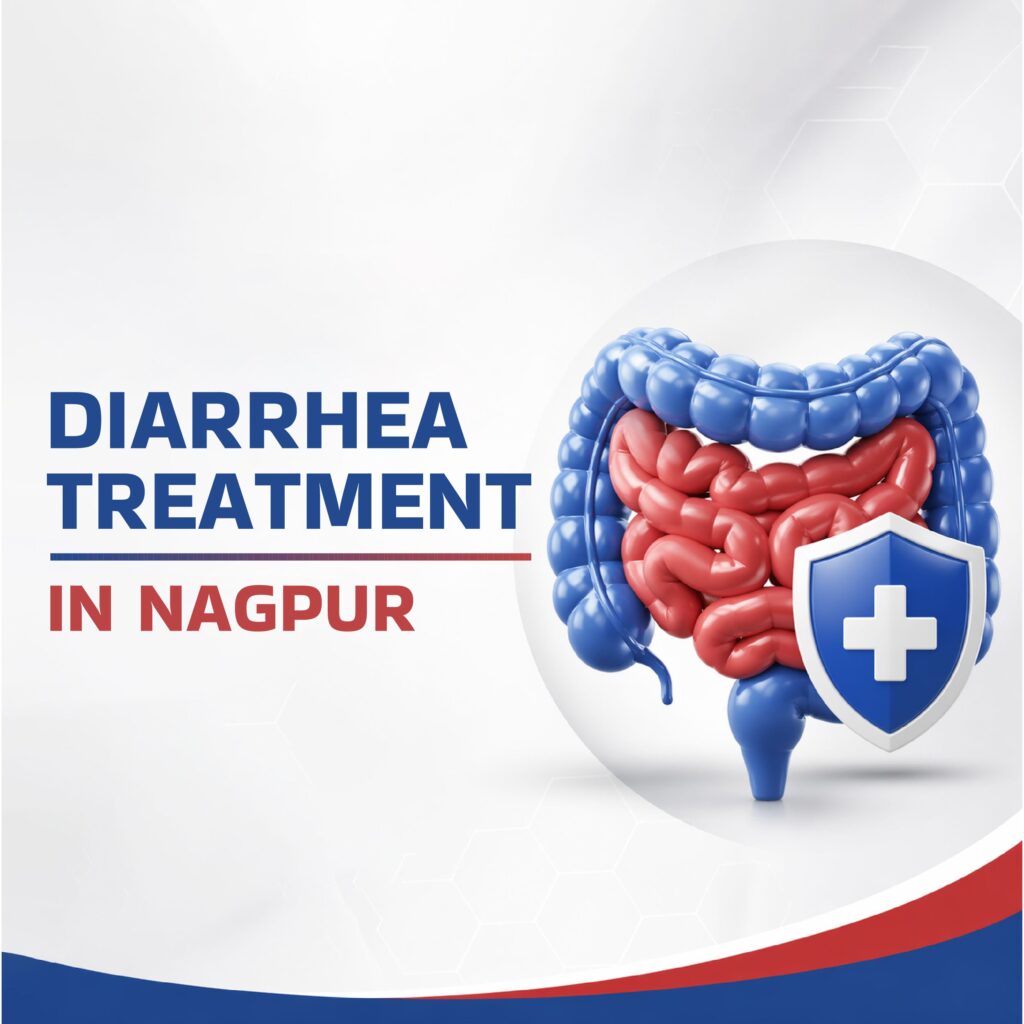
What Is Diarrhea?

Common Symptoms of Diarrhea
- Loose, watery or unformed stools
- Frequent and urgent need to pass stools
- Abdominal cramping or pain
- Bloating and a feeling of fullness
- Nausea with or without vomiting
- Fever in cases where infection is the cause
- Blood or mucus in the stool in some cases
- Fatigue and weakness due to fluid and nutrient loss

Common Causes of Diarrhea
- Bacterial, viral or parasitic infections from contaminated food or water
- Food intolerances such as lactose intolerance or gluten sensitivity
- Irritable bowel syndrome with diarrhea predominance
- Inflammatory bowel disease including Crohn's disease and ulcerative colitis
- Certain medications including antibiotics that disrupt gut bacteria
- Malabsorption conditions affecting nutrient absorption in the small intestine
- Chronic pancreatitis affecting digestive enzyme function
- Stress and anxiety affecting bowel function
- Colon or rectal conditions in some cases
When Should You See a Doctor for Diarrhea?
- Diarrhea that persists for more than two days without improvement
- Blood or mucus in the stool
- Severe abdominal pain accompanying diarrhea
- Signs of dehydration including extreme thirst, dry mouth and reduced urination
- High fever along with diarrhea
- Unintentional weight loss along with persistent loose motions
- Diarrhea that keeps recurring over weeks or months
- Diarrhea that began after starting a new medication
Diarrhea Treatment Options in Nagpur
| Treatment Type | Suitable For |
|---|---|
| Oral rehydration and fluid replacement | All types of diarrhea as immediate supportive care |
| Antibiotics or antiparasitic medications | Infection related diarrhea |
| Dietary modifications and trigger identification | Food intolerance and IBS related diarrhea |
| Anti diarrheal medications under supervision | Managing frequent loose motions |
| Probiotic therapy | Restoring gut bacteria balance |
| Treatment of underlying digestive condition | IBD, malabsorption or pancreatic related diarrhea |
| Nutritional support and supplementation | Chronic diarrhea with nutritional deficiencies |
| Colonoscopy or endoscopic evaluation | Identifying structural or inflammatory causes |
Why Choose LGI Hospital for Diarrhea Treatment in Nagpur?
- Experienced Gastroenterology Specialists: LGI Hospital in Nagpur has a dedicated team of specialist gastroenterologists with extensive experience in diagnosing and treating all forms of diarrhea including persistent diarrhea and diarrhea related to complex underlying digestive conditions.
- Accurate Root Cause Diagnosis: The team at LGI Hospital prioritises identifying the precise underlying cause of diarrhea through comprehensive evaluation before recommending treatment, ensuring targeted and effective management.
- Advanced Diagnostic Facilities: From stool analysis and blood tests to colonoscopy and endoscopic evaluation, LGI Hospital in Dhantoli, Nagpur provides the full range of diagnostic tools needed for thorough diarrhea evaluation.
- Comprehensive Digestive Care Under One Roof: As a dedicated single speciality gastroenterology hospital, LGI Hospital provides complete diarrhea care from initial diagnosis through to treatment and long term follow up, all in one convenient location.
FAQ
Q1. Can chronic diarrhea be cured permanently?
Yes, chronic diarrhea can be effectively treated and resolved in most cases when the underlying cause is accurately identified and addressed. Conditions such as IBS, food intolerances and infection related diarrhea respond well to appropriate treatment. More complex causes such as inflammatory bowel disease require ongoing management but can be effectively controlled under specialist guidance.
Q2. What are the symptoms of chronic diarrhea?
Chronic diarrhea typically presents with loose or watery stools occurring three or more times a day for four weeks or longer. Associated symptoms may include abdominal cramping, bloating, urgency, blood or mucus in stools, fatigue and unintentional weight loss. A gastroenterologist should be consulted for accurate diagnosis and treatment.
Q3. What causes persistent diarrhea in adults?
Common causes of persistent diarrhea in adults include IBS, inflammatory bowel disease, food intolerances, malabsorption conditions, chronic pancreatitis, certain medications and infections. A comprehensive evaluation by a gastroenterologist is essential to identify the specific cause and recommend appropriate treatment.
Q4. Which doctor is best for diarrhea treatment in Nagpur?
A gastroenterologist is the most appropriate specialist for diagnosing and treating persistent or chronic diarrhea. LGI Hospital in Nagpur has experienced medical gastroenterologists who provide comprehensive diarrhea care with advanced diagnostic support and personalised treatment plans.
Q5. Is diarrhea related to IBS?
Yes, diarrhea is a prominent feature of irritable bowel syndrome, particularly in the subtype known as IBS with diarrhea. In this condition, frequent loose stools are accompanied by abdominal pain and cramping. A gastroenterologist can evaluate whether diarrhea is related to IBS or another underlying condition and recommend the most appropriate treatment accordingly.
- Diagnostic Precision: Endoscopy allows for direct visualization of internal organs. This enables accurate diagnosis of various conditions such as ulcers, inflammation, tumors, and other abnormalities.
- List Item #2
- List Item #3
- Diagnostic & Therapeutic Upper GI Endoscopy
- Diagnostic & Therapeutic Colonoscopy
- Capsule Endoscopy
- ERCP & Cholangio-pancreatoscopy
- Endoscopic Ultrasound [EUS]